In Singapore, we are often spoilt for choice when it comes to consumer goods. Most of us live 10 to 15 minutes away from a shopping mall, whether by foot or by public transport. But consumers here might also have noticed that the landscape is changing. Dessert counters carry unfamiliar logos, and even bubble tea brands we might not have heard of are cropping up. What used to be dominated by Japanese, Korean, and Western names is now increasingly Chinese.
From ultra-cheap ice cream cones to slick app-driven coffee chains, Chinese consumer brands are no longer just dipping their toes into Singapore. They are expanding aggressively, opening dozens of outlets, and competing head-on with long-established players.
So why are they suddenly everywhere in Singapore, and what does it mean for the Singapore consumer? Let’s find out.
It Started With Ice Cream
For many Singaporeans, the first “Wait, what is this cheap but cool thing?” moment came with Mixue. A soft serve cone for barely more than a dollar felt surreal in a city where prices have crept steadily upward. Yet Mixue outlets quickly became crowded with students, families, and anyone willing to trade frills for value.
But Mixue is more than just cheap ice cream. The company flourished because it runs massive supply chains with extreme efficiency while maintaining relentless cost discipline. It’s a “China model” that has worked extremely well for countless brands hailing from the world’s second-largest economy.
In China, Mixue operates tens of thousands of outlets. Singapore is simply one more dot on a map where the model works.
Disrupting Starbucks: Digital-First Coffee Experience
If Mixue brought Chinese brands into the conversation for consumers, then Luckin Coffee made it impossible to ignore.
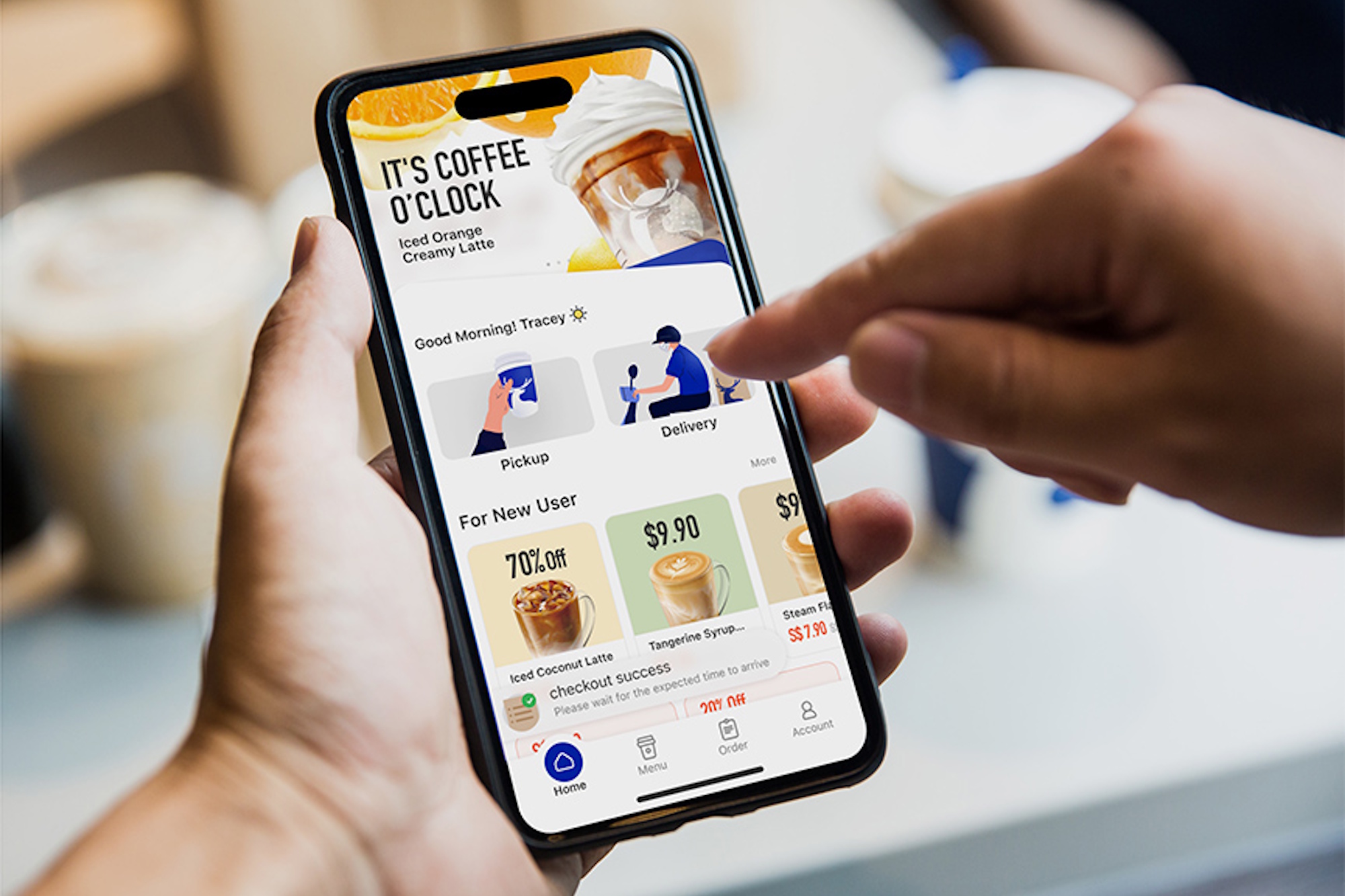
Luckin’s return to international expansion has been carefully managed, and Singapore is a key test market for the company. The Luckin concept is simple: order on an app, pick up quickly, and pay significantly less than Starbucks for pretty much the same quality coffee.
It was really a no-brainer formula. This mode also fits modern Asian cities perfectly, as office workers crave both speed and low prices.
The Luckin app provides the company with massive amounts of data on purchase patterns, enabling it to drive repeat purchases and rapid experimentation with flavours and promotions.
In China, Luckin has already overtaken Starbucks by store count. In Singapore, the business model is different. Luckin is not a café you hang out in for hours. It is positioning itself as the everyday coffee you don’t overthink.
Why Choose Singapore For Expansion?
Singapore offers something uniquely valuable to Chinese brands looking to go global. First, it is culturally familiar enough to reduce risk (with Chinese being one of the four official languages in the Lion City).
Many Singaporeans, therefore, understand Chinese branding cues. There is less friction and fewer geopolitical concerns compared to entering Europe or the US.
Second, Singapore is operationally demanding. High rents, tight labour markets, and discerning consumers force brands to refine their models. If a concept works here, it can likely work elsewhere in Southeast Asia.
Third, success in Singapore confers credibility. A brand that thrives in Singapore can point to it as proof that it works beyond China.
This makes Singapore less of an end market and more of a testing ground for launches in neighbouring ASEAN markets.
Read Also: Guide To Expanding Your Singapore Based E-commerce Business Overseas
China Market = Peak Competition
To understand why Chinese brands feel so polished today, you have to look at where they came from.
China’s consumer market over the past decade has been, and still is, intensely competitive.
Thousands of brands fight for attention. Social media cycles are fast, and consumers are uber price-sensitive yet demanding. Margins are thin to none, so optimising and eking out efficiency are crucial, not only for survival but also for expansion. This environment forces companies to iterate quickly, cut costs aggressively, and scale efficiently. It’s effectively a corporate “survival of the fittest”.
When these survivors expand overseas, they arrive battle-hardened. Singapore’s competitive retail scene is challenging, but Chinese brands often find it less cutthroat than their own home market.
It’s tempting to frame this trend solely in terms of affordability. Yes, many Chinese brands are cheaper. But that is only part of the equation.
Chinese brands “going global” aren’t confined to just F&B. You’ll find them in industries as diverse as automotives (BYD, XPeng), financial services (Moomoo, Webull), and fast fashion (Shein).
Read Also: Singapore Online Stock Brokerage Account Fees Comparison (2025 Edition)
What This Means For Singapore Consumers
Chinese brands have quietly spent years preparing to expand overseas by succeeding in one of the world’s most cutthroat consumer markets – China itself. As Chinese companies look outward for growth, Southeast Asia is an obvious target. Singapore will continue to act as the testing ground, the brand amplifier, and the proof point.
This doesn’t mean Western, Japanese, or local Singaporean brands will disappear. But they will need to adapt to the increased competition.
For consumers, the rise of Chinese brands is largely positive. More competition keeps prices in check and speeds up innovation.
It also subtly changes expectations. Once consumers get used to app ordering, loyalty rewards, and affordable pricing, it’ll become harder for slower, more expensive brands to justify themselves.
Top Image Credit: Luckin Coffee
Subscribe To The DollarsAndSense Business Pass
Enjoy what you are reading and want more? Join The DollarsAndSense Business Pass and unlock access to valuable tools, exclusive networking opportunities, and tap into the wisdom of industry experts to fuel your business expansion!