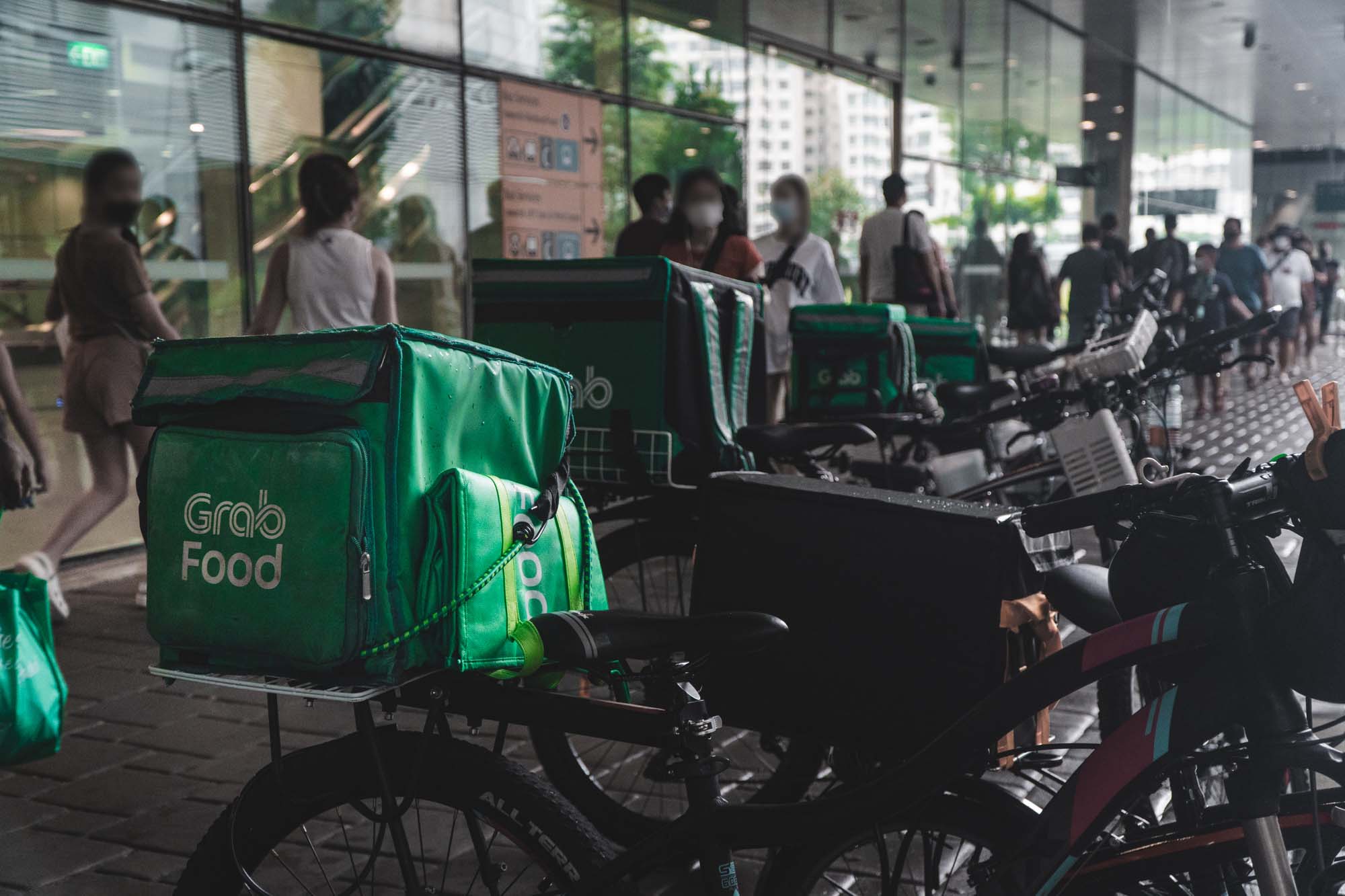
By now, most of us in Singapore are familiar with the gig economy. Whether it’s Grab drivers ferrying passengers or Foodpanda riders zipping through traffic to deliver food, gig work has become a regular part of how some Singaporeans earn an income.
At the same time, we’re also seeing more people turning their hobbies or skills into side hustles, such as photography, baking, or even reselling thrifted clothes. It’s a way to earn extra money outside the typical 9-to-5 grind.
Both gig work and side hustles let you make money on your own terms. But beneath the surface, they’re quite different in how you earn, how much control you have, and even what you get out of it in the long run.
What Exactly Is The Gig Economy?
The gig economy is built on short-term, task-based work, often arranged through digital platforms. You log in, accept jobs, complete them and get paid.
Grab, GoJek, Deliveroo and Fiverr are all part of this ecosystem. The main appeal? You can start almost immediately, with little to no upfront cost or experience.
But convenience comes with trade-offs.
Since the platform controls the type of jobs and the pay structure, your income depends entirely on how many gigs you complete and the commission the platform takes. You’re essentially renting your time, not building something of your own.
For those who want flexible hours and quick cash, gig work fits perfectly. But it’s not built for long-term growth.
What Makes A Side Hustle Different?
A side hustle, on the other hand, is something you create for yourself. It usually runs alongside your main job, and you decide what to sell, how to market it and who your customers are.
It could be coaching, baking, freelance writing or running an online store. The key is that it’s your own mini business.
That freedom is both the beauty and the challenge. Unlike gig work, you’re not handed tasks. You’ll have to build your brand, find your own clients, put in upfront effort and maybe even invest your own capital before you can see meaningful returns.
But once it takes off, the income (and satisfaction) can be far greater, because you’re building something for yourself and not sharing profits with a platform.
Control Vs Flexibility: Who’s Really In Charge?
Flexibility is often the main reason people choose gig work. But there’s a difference between schedule flexibility and creative flexibility.
In the gig economy, you can decide when to work, but not what you do or even how much you can charge for your service. A driver drives. A rider delivers. The scope is fixed.
With a side hustle, you’re in the driver’s seat for everything, from what service you offer to how you price it. You can tailor your work to your interests and strengths, making it more meaningful. If you are good at what you do and build a regular customer base, you can even charge more for your services and potentially even scale your operations. You have more control.
For example, someone who starts selling home-baked goods online might later expand into catering or workshops, something a gig role wouldn’t easily allow.
Financial Risk & Security
Both come with risks. Gig workers face income uncertainty and are subject to platform policies, which can change at any time. While CPF contributions are slowly being introduced for platform workers, benefits are still limited compared to full-time employment.
Side hustlers, meanwhile, face upfront risks. You may need to invest time or money before you see returns. And if you already have a full-time job, juggling both can be exhausting.
The key difference? Gig workers depend on the platform. Side hustlers rely on themselves.
Read Also: Why Platform Workers Are Missing Out When They Choose Not To Contribute To Their CPF
If you need quick, flexible cash, say, to save for a short-term goal, gig work might be the way to go. It’s straightforward, and you can start almost instantly.
But if your goal is long-term financial growth or eventually building something sustainable, a side hustle might serve you better. It takes time and effort, but it’s yours, and it can grow beyond just “extra income.”
Image Credit: DollarsAndSense/Moo Kar Ming
Subscribe To The DollarsAndSense Business Pass
Enjoy what you are reading and want more? Join The DollarsAndSense Business Pass and unlock access to valuable tools, exclusive networking opportunities, and tap into the wisdom of industry experts to fuel your business expansion!