While at work one day, Kenny Lo received a phone call that would change his life:
“Hey, your uncle is choking.”
The call was from his uncle’s nursing home. Being born with epilepsy, his uncle was heavily reliant on caregivers and was tube-fed. That day, though, he’d managed to swallow porridge containing a piece of chicken.
Kenny could hear his uncle choking. The nursing home had already called for an ambulance, but by the time Kenny and the ambulance carrying his uncle rushed to the hospital, his uncle had passed away.
His family was devastated. So was Kenny, who had been his uncle’s caregiver. At that time, his multi-year work project was also wrapping up soon, and he saw this as a sign for a career change.
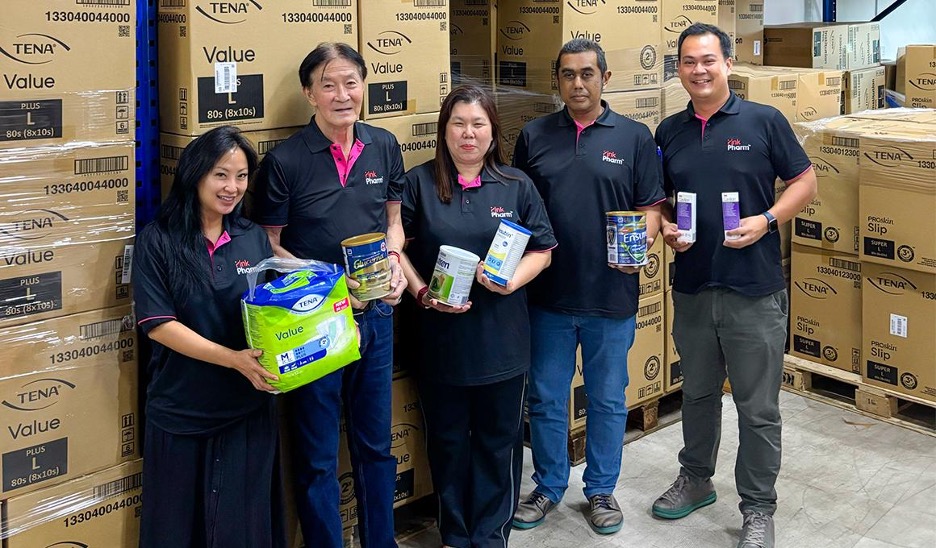
Kenny ended up tapping into his caregiving knowledge to co-found PinkPharm, a Singapore online marketplace selling healthcare products that’s now making its mark in Thailand.
Helping Caregivers Buy Supplies Online
Kenny had been a caregiver “all the way” since his teens. While other kids had only schoolwork to grapple with, he was learning how to manage his uncle’s epileptic seizures. Over the years, he also cared for his mother and grandmother.
Kenny’s caregiving responsibilities continued after he started work. Some of the most common questions he would get from home were:
“Can you go buy diapers and wound care products?”
“Can you go buy Ensure Plus milk?”
His go-to place for caregiving supplies was a shop in Balestier. But he worked long hours—even as late as 2 am—and the shop might have already closed by the time he got off work.
Neither could he shop online: it was the early 2010s, when e-commerce was in its infancy and the checkout experience was—in Kenny’s words—“basic”.
From these experiences, he decided his business would operate as an e-commerce marketplace, with no physical storefront, to keep rental and overheads low. It would also offer a wide range of healthcare products, from nutrition to incontinence diapers, wound care, over-the-counter medicine and more—anything a person might need to care for their loved one.
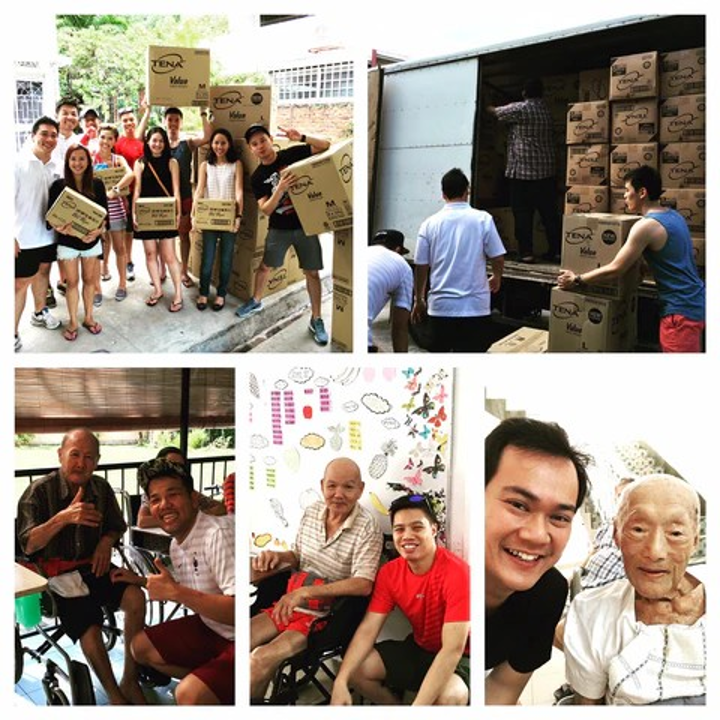
“I’m not a doctor, I’m not a physio and I’m not a nutritionist,” says Kenny, explaining how he positioned his expertise.
“But I’m a caregiver.”
Read Also: Grants; Subsidies; And Self-Care: Guide To Being A First-Time Caregiver In Singapore
Getting Suppliers And Customers Onboard
Kenny pumped a modest $60,000 in capital to start PinkPharm in 2013. He rented a small 200 sqft office, set up a customer care line and had his website built. He then armed himself with a 54-page slide deck and began pitching to the large suppliers he was a regular customer of.
The proposal was a tough sell. The suppliers would lose interest by the 20th slide or so. Even after he condensed his presentation into just two slides, they’d tell him to his face that his business would fail.
It was only after he persuaded them of his dedication to the business, and his website’s credibility, that he acquired the rights to sell their products.
To get customers, Kenny and his family printed thousands of flyers and distributed them door-to-door “like property agents”. He also ran simple Facebook ads that showcased his products.
It took months before PinkPharm received its first orders, but they began trickling in. According to Kenny, getting orders, and being able to ease caregivers’ frustration in sourcing supplies, was “fulfilling” and “a great experience”. His phone notifications would go off —“cha-ching!”—every time an order came in, and he’d excitedly stop what he was doing to check the new order.
From Slow To Supercharged Growth
Still, growth was slow for the first two years. Kenny even considered closing the business. But his father and father-in-law—who were also entrepreneurs—saw promise in PinkPharm operating in a growing sector and urged him to keep going.
The business took off in its third year when e-commerce platforms like Shopee and Lazada entered the fray. Far from being competitors, they helped PinkPharm increase its online visibility and get more customers.
Hospitals also began recommending PinkPharm to patients’ caregivers as the site’s variety of products was the widest available in the market. In fact, Kenny calls nurses the “KOLs” (key opinion leaders who have influence over a target audience).
That’s because when your loved one is discharged from the hospital, the nurse will tell you the supplies you need and how frequently to use them. From there, you’ll naturally ask “Where do I buy all this?”—which is when the nurse points you to PinkPharm.
Kenny shares that the COVID-19 pandemic only “supercharged” growth, with caregivers staying home and ordering the products they needed online.
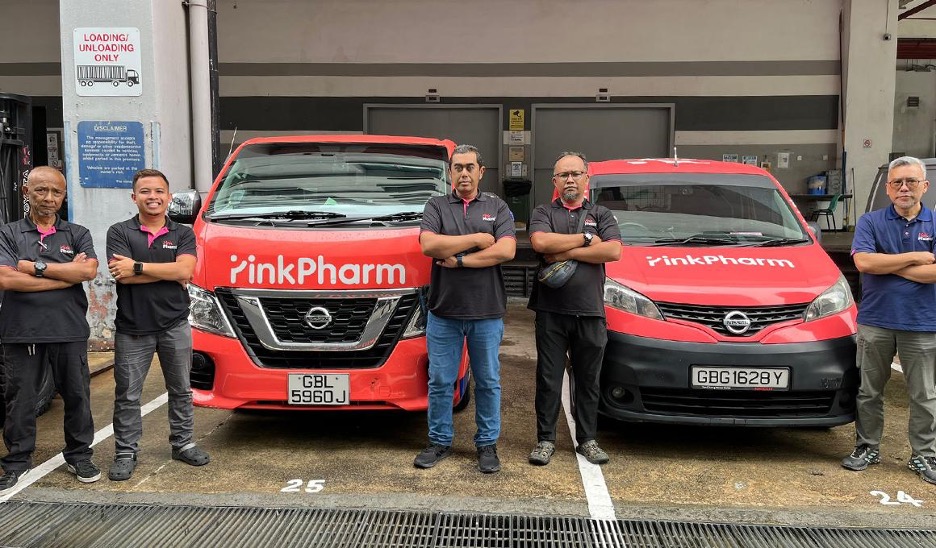
From a one-man show in the beginning, PinkPharm is now helmed by close to 20 staff and stocks around 600 products.
Tackling The International Problem Of Caregiving
Kenny started exploring overseas expansion one to two years ago.
“I’ve always felt ageing is an international problem,” he says. “Caregiving is an international problem, too.”
After shortlisting a few countries, he decided on Thailand for a few reasons. For one, the country was a leading medical tourism destination. Kenny shares that its hospitals are as beautiful as upscale hotels, and hospital transfer services from the airport are seamless.
“When you land in Bangkok, there is a counter for the medical concierge to bring you to the hospital. Here, when you land [in Singapore], you see the Changi Recommends counter and can return your Wi-Fi router,” he laughs.
Ageing in place is also a growing trend among the more affluent locals. Most importantly, the hospital-to-home service—where hospital staff help patients transition from hospital care to being cared for at home—is gaining popularity.
Kenny made multiple recce trips to Thailand, chatting with locals and friends to learn about their caregiving journeys. He also visited the small independent pharmacies they bought supplies from, pretending to be sick so he could understand the customer journey of a patient in Thailand.
It took eight months for Kenny to set up PinkPharm’s Thai operations. This included registering the business and establishing relationships with brands. He also had to list products on the Thai arms of Shopee, Lazada and other e-commerce platforms.
A Commitment To Support Caregivers All Over The World
Kenny isn’t handing out flyers to get the word out in Thailand like he did in Singapore, but he’s still running social ads and doing on-the-ground education at hospitals in collaboration with brand partners. He’s also working with his suppliers’ sales representatives to recommend PinkPharm and ease the transition from hospital to home.
A team of three manages the Thai operations, and eight brands are currently on board. Sales have been encouraging, with PinkPharm receiving orders every day since it launched in Thailand in August 2024. The business also launched its direct-to-consumer e-commerce site in February 2025.
Kenny’s immediate plans are to focus on the Thai market for the next two to three years before considering further international expansion.
“The world is experiencing an ageing population, and this trend is expected to intensify over the coming decade or more. Having personally navigated the challenges of caregiving, I am committed to leveraging PinkPharm as a resource to support caregivers globally,” he says.
Subscribe To The DollarsAndSense Business Pass
Enjoy what you are reading and want more? Join The DollarsAndSense Business Pass and unlock access to valuable tools, exclusive networking opportunities, and tap into the wisdom of industry experts to fuel your business expansion!


