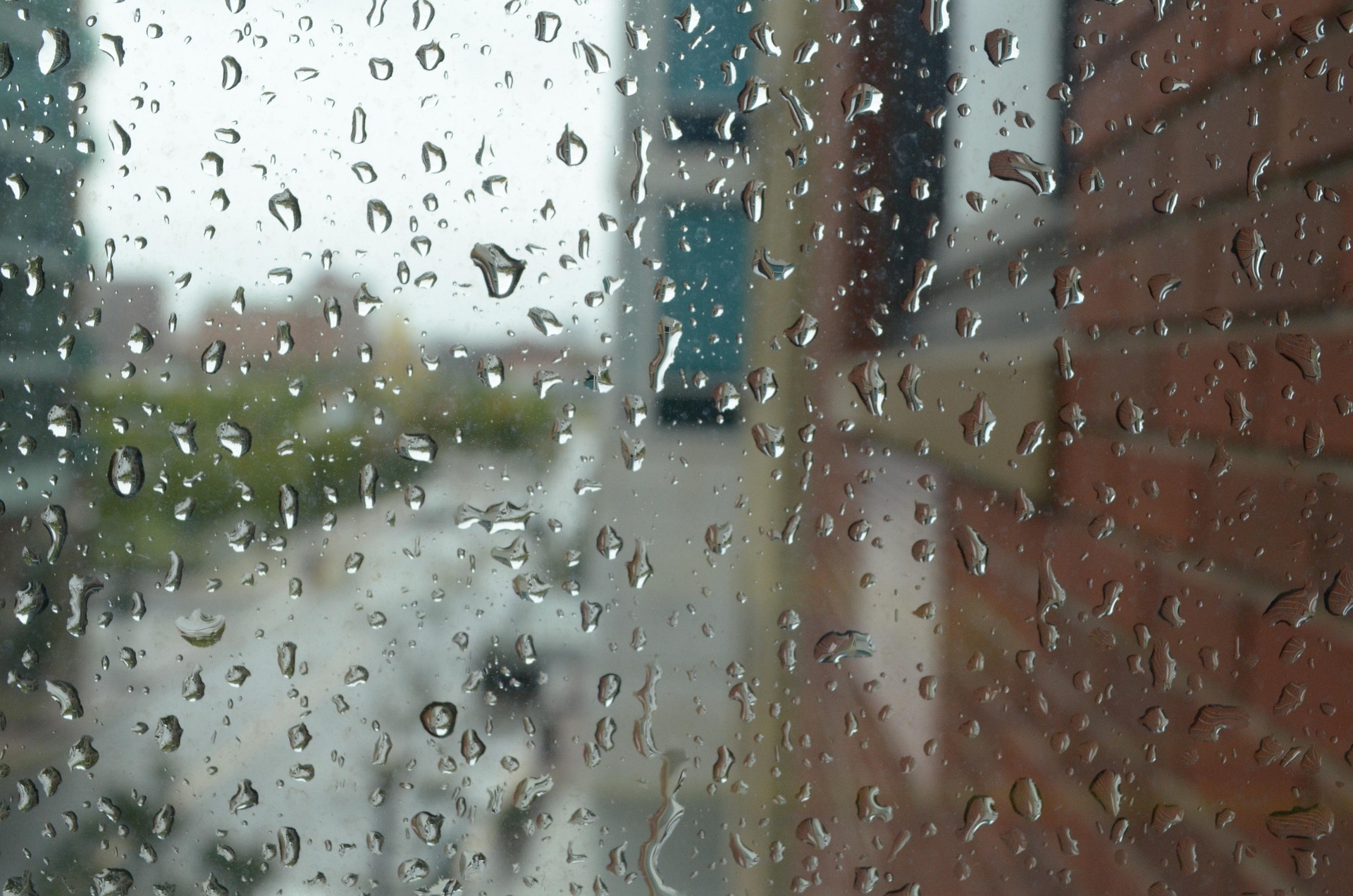
There are some things in life that humans have no control over, and the weather is one of them.
Even the best-laid plans can be disrupted by bad weather, something frequent travellers know all too well. A dream honeymoon in the Maldives can be spoiled by unexpected rainfall. A long-awaited beach resort vacation might end up being spent indoors instead of on the sand. Or perhaps you travel to Japan, hoping to catch a glimpse of the majestic Mount Fuji, only to be met with cloudy skies and relentless rain.
The same logic applies to businesses, particularly those that operate outdoors, such as beach clubs and seasonal bazaars. Take, for example, the beach clubs in Sentosa or the Ramadan Bazaar.
During school holiday weeks, these businesses often anticipate a surge in customers, as families look to spend quality time together. However, when incessant rainfall strikes, foot traffic dwindles, and business takes a hit. This impact is even more pronounced for temporary businesses like the Ramadan Bazaar, which operates for only about a month each year.
As many people already know, renting a stall at the Ramadan Bazaar can be incredibly expensive. Given the short window to turn a profit—especially considering that most activity happens at night due to fasting—it is crucial for stall operators to recover their investment and generate revenue within this limited timeframe. Unfortunately, poor weather conditions can severely affect their ability to do so.
While Singapore’s weather is known for its unpredictability, it is not the only place where businesses are at the mercy of nature. Across the world, outdoor businesses face similar challenges, highlighting the ever-present risks that come with relying on good weather for success.
The Cost Of Bad Weather
According to a 2024 report by Lloyd’s, a leading insurance and reinsurance market, global economic losses could reach an estimated US$5 trillion in the event of extreme weather events linked to climate change. These events, which could lead to crop failures, food shortages, and water scarcity, highlight the immense financial impact of unpredictable weather. While this figure is based on specific modelling parameters, the key takeaway is that severe weather comes at a cost, especially when we are unprepared for it.
If you follow the news regularly, you’ll notice that almost every day, at least a few cities around the world are grappling with the effects of extreme weather. Whether floods across the Causeway disrupt businesses in Johor, wildfires in Los Angeles destroy buildings, or flights from Bali are cancelled due to volcanic eruptions, the economic toll can be significant. Millions—if not billions—of dollars can be lost due to the devastating impact of adverse weather conditions.
Wet Weather Programmes For Businesses
As with any outdoor event or activity, having a wet weather contingency plan can be invaluable.
For stallholders at this year’s Ramadan Bazaar, one way to mitigate the impact of bad weather is by leveraging online sales, allowing them to continue reaching customers even when foot traffic is low. Others may focus on improving stall setups, ensuring their booths and walkways are as sheltered as possible to keep visitors comfortable despite the rain. During the monsoon season, when heavy downpours can be frequent and prolonged, these preparations can make all the difference.
Of course, these solutions have natural limitations and nothing can replace good weather. However, taking proactive measures can help minimise losses and keep business going, even when the skies don’t cooperate. Preparation, after all, is the best defence against unpredictability.
Read Also: The Future Of Trade Bazaars And Pasar Malams: 4 Challenges That Threaten Their Existence
Subscribe To The DollarsAndSense Business Pass
Enjoy what you are reading and want more? Join The DollarsAndSense Business Pass and unlock access to valuable tools, exclusive networking opportunities, and tap into the wisdom of industry experts to fuel your business expansion!