One of the top things on the mind of a fresh graduate is to find a full-time job – ideally, one that pays well. As a bonus, a job that one might actually like.
There are many ways to look for a full-time job. You could start with an internship and work your way to securing a full-time offer, attend job fairs at school, or go on job portals and apply for the plethora of companies and roles available.
Another powerful tool in your job search arsenal is LinkedIn. While the platform might initially seem overwhelming, it’s a valuable job-hunting resource. In fact, job hunting is one of the top tools you can utilise (and for free!)
#1 Create Your Job Preferences
We assume you already have a LinkedIn account. If not, you need to create one first.
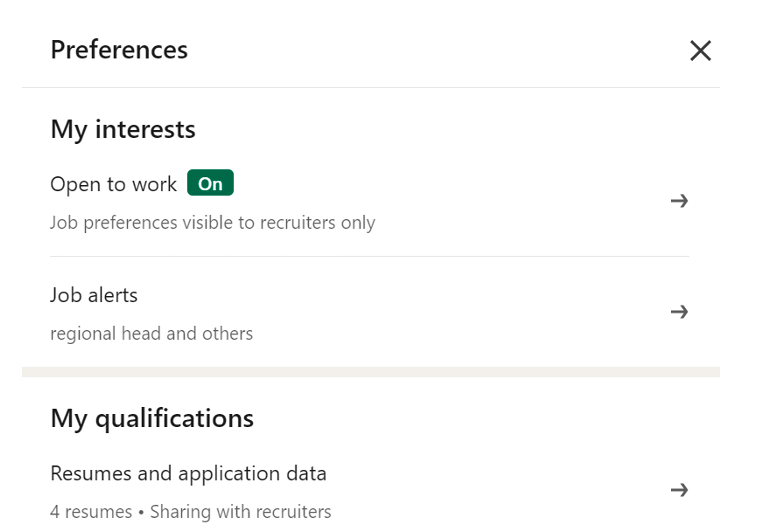
Firstly, set your job preferences. You can set the role titles you’re interested in—it could be “Junior Analyst,” “Copywriter,” or “Auditor.”
Next, set the toggle to “Open to work.”
Finally, upload your latest resume so you can send it when ‘Easy Apply’ roles are available. Some external sites will also pull your resume from LinkedIn or use your LinkedIn data to update your work and internship experience.
#2 Update Your LinkedIn Profile
As a fresh or soon-to-be graduate, employers understand you may not have extensive work experience. However, it’s crucial to ensure that the internships and placements you’ve completed are up to date on your LinkedIn profile.
Think of your LinkedIn profile as an extension of your resume. While most resumes should be kept to one page, your LinkedIn profile offers the opportunity to showcase your achievements in greater detail (within reason, of course).
For example, you might highlight one or two key projects and accomplishments on your paper resume. With permission, you can provide a more detailed explanation on LinkedIn or share a link or upload a PDF of your work.
If you’ve been involved in volunteer work or extracurricular activities, that’s great! You can also highlight these experiences in more detail on your LinkedIn profile.
#3 Posting Regularly (And Appropriately) On LinkedIn
This now takes us to what you can and should (and shouldn’t) post on the platform.
Learn, See & Connect
LinkedIn is an excellent resource for you to 1) Learn about different job opportunities, 2) See how people learn from different situations in life and work, and 3) Connect with people.
One of the most valuable steps you can take is to put yourself out there. Unlike “retail” social media like TikTok or Instagram, LinkedIn is a professional network that enables you to connect with people in a career-focused setting. LinkedIn allows you to engage with professionals at various levels within a company, whether they are junior or senior.
When you post on LinkedIn, you’re putting yourself out there, creating opportunities for others to notice you professionally.
Why is this helpful?
- Build your brand: Posting helps shape how others see you and your professional identity.
- Expand your network: Sharing content regularly can lead to new connections and opportunities because you become visible to people who might not have otherwise seen you and your work.
- Boost your credibility: Posting valuable insights makes you stand out as knowledgeable and reliable, even as a student or younger employee.
- Attract opportunities: Regular posts can catch the eye of recruiters or potential collaborators – being active on LinkedIn shows you’re serious about your career and professional growth.
- Engage and Learn: Posting invites feedback and discussions that help you grow and learn.
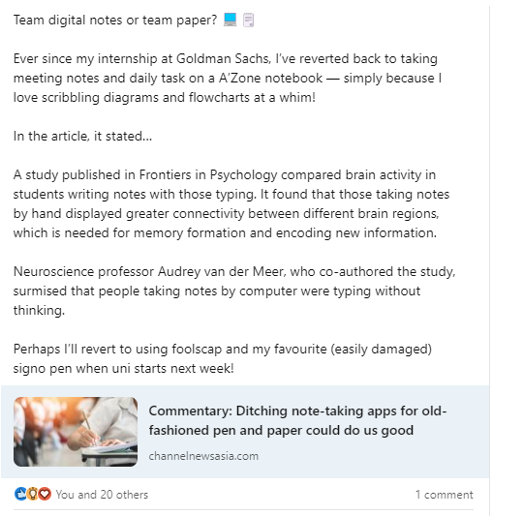
This post from a current student is a fantastic example of sharing a valuable lesson. It’s insightful and relatable to many, even those who have been in the workforce for years.
#4 Connecting With People
People are generally friendly and want to help others. Many have received kindness from those ahead of them in their careers, who have given their time and advice to help others.
A simple note to connect with someone on LinkedIn will do:
“Hi [person], I hope this message finds you well. I noticed that we both attended [University Name], and I’m really interested in [specific field or industry]. I’ve seen your posts about [activity or topic], and it resonates with me because [brief personal connection]. I’d love to connect and learn more about your experiences in [specific industry or field]. Thank you. [Your name]”
A few tips on making a quick connection with someone:
- Attended the same university/school
- Enjoys the same activities (look at their posts)
- Compliment their work or a recent post
- Refer to a mutual connection that you both have
If you’re asking for a favour from someone to meet and get their advice, ensure that you reply promptly, do your best to match their schedule and turn up for the meeting on time.
Often, these relationships and connections can be there with you for the long run. And, when you get the chance, do pay it forward.
In your journey from student to professional, LinkedIn can play a crucial role in shaping your career in ways you might not yet anticipate. By actively engaging, building connections, and being authentic, you’ll open doors and lay the foundation for a network that can support you for years. Remember, everyone was once in your shoes, and many are more than willing to offer a helping hand.
Read Also: 5 Ways LinkedIn Can Help Businesses Attract Talent, Build Branding & Increase Sales
Chua Ee Chien is currently APAC Director, Business Development at GTN, leading sales to Fintechs in the greater APAC region.
Subscribe To The DollarsAndSense Business Pass
Enjoy what you are reading and want more? Join The DollarsAndSense Business Pass and unlock access to valuable tools, exclusive networking opportunities, and tap into the wisdom of industry experts to fuel your business expansion!