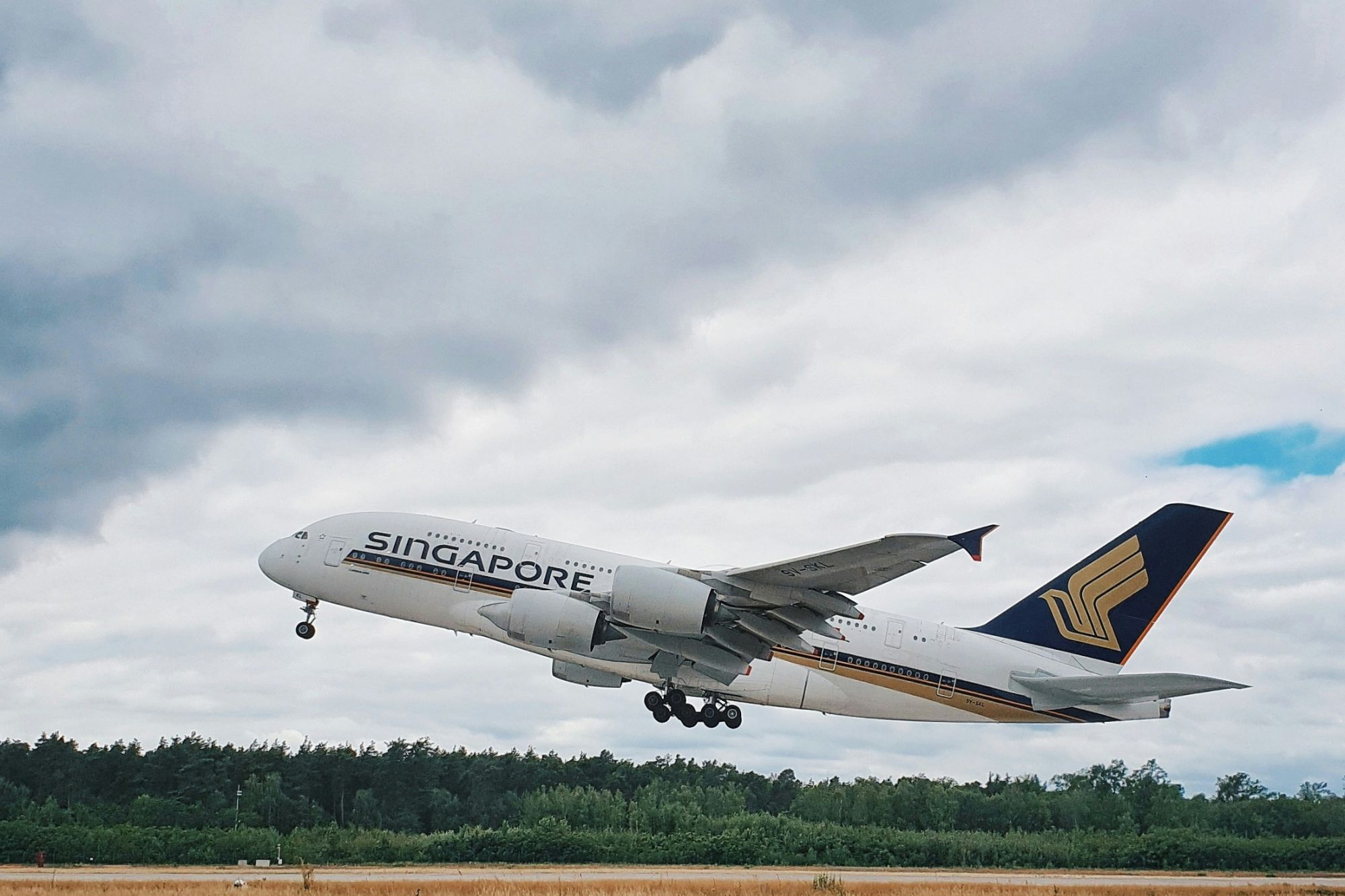
Singapore Airlines (SIA) announced its FY2025 financial results on 15 May 2025 – posting a record full-year revenue and net profit. While revenue was uplifted by resilient demand for air travel and cargo, operating profit actually fell 37.3% due to lower passenger yields (or air fares).
The record net profit was boosted by a one-off non-cash accounting gain of $1.1 billion from their Air India-Vistara merger.
Nevertheless, SIA announced employee bonus of 7.45 months for FY2025.
While companies strive to maximise profits and control costs, some are willing to offer significant annual bonuses to their staff. Here are some reasons why:
Agreed Upon Formula With Employees
Based on online sources, many point to a long-standing profit sharing formula that SIA has agreed with the union. This helps to motivate and align the employees towards achieving the company’s goals and targets, which eventually contributes to the company’s success.
An agreed-upon formula to calculate bonuses is also more transparent for both employees and employers. Hence, it will not only be difficult to deviate from it, but can be considered unethical. If the bonus is too generous or meagre, it should be tweaked at the formula level.
Allows Employees To Profit Share From Company’s Performance
Companies that award big bonuses may be operating in cyclical businesses like those in the oil & gas, shipping, finance and even tourism. In good times, they can make large profits, while in bad times, they may suffer short-term losses. Bonuses allow such companies to share profits with employees during the good times, while they may not issue any when they are losing money.
Read Also: How To Prorate Annual Bonus And Performance Bonus For Your New Employees
Helps Keep Employees In A Tight Labour Market
Annual bonuses may be used by companies to retain employees to stay with them throughout the year (and beyond).
Some companies may pay their employees annual bonuses for the previous year only in the following year. For employees to be eligible to receive it, they might be required to stay employed with the company for some time before they can receive the payment.
In other instances, it may also be specified in the employment contract or company’s employee handbook that employees have to stay with the company for a certain duration. In such scenarios, there may be clawback provisions.
Should the employee resign or tender notice before fulfilling this condition, he may not be eligible to receive the bonus. Therefore, big bonuses incentives employees to stay longer with the company.
Allows Companies To Offer A Competitive Remuneration Package
Big bonuses may not only help retain the company’s current talent pool but could also attract new talent. Companies may factor in the potential annual bonuses as part of the overall remuneration package that they offer to new candidates to remain competitive in a tight labour market. This can be particularly observed in the oil & gas and banking industries, where top talent is highly sought after along with equally strong competition for these jobs by candidates.
Another way that companies may use big bonuses to remain competitive in the job market is to use them to compensate for a lower annual salary increment. This allows the company to stay nimble in a challenging economic environment where the base salary costs are kept lower with a higher discretionary bonus component.
Acts As A Form Of Recognition And Morale Boost
Annual bonuses are a way for companies to recognise the hard work put in by the employees throughout the year. It can also be used by companies to reward and motivate employees that stay committed when the company was undergoing changes or through a difficult period.
Read Also: How Much Has The Government Paid In Bonuses Over The Past Decade?
Subscribe To The DollarsAndSense Business Pass
Enjoy what you are reading and want more? Join The DollarsAndSense Business Pass and unlock access to valuable tools, exclusive networking opportunities, and tap into the wisdom of industry experts to fuel your business expansion!