Who doesn’t love a good discount? Whether it’s $1 off your morning Ya Kun set or 20% off a new pair of shoes, most of us feel good when we snag a deal. Businesses know this too, and that’s why discounts are everywhere, from shopping malls to food delivery apps.
On the surface, a slight discount, say 10%, may seem harmless, perhaps even a little gimmicky. Customers save a bit of money, and businesses (at least in theory) attract more traffic. But when it comes to hawkers, pushing them into a discount-driven model isn’t just ineffective, it’s possibly unfair.
Why Discount Works For Big Brands
Big brands understand how promotions can support their business goals.
Take the McDonald’s app, for example. It’s packed with coupons, loyalty points and discounted deals. Sometimes, it even lets you redeem a free hashbrown.
When a customer walks in for a $2 burger or a free hashbrown, chances are they won’t stop there. They will likely add fries, another burger or a drink. The discount is simply the hook. Once the customer is in, McDonald’s makes money in other ways. It’s an open secret.
Shopping malls use a similar playbook. Mall-wide vouchers or loyalty points may cost the mall in the short term, but the real payoff comes when shoppers spend across multiple outlets or return regularly once they have formed the habit of visiting. The promotions drive more activity and higher overall sales, which more than cover the upfront discount.
In both cases, the discount isn’t a loss, but rather part of a larger strategy. It creates demand and opens the door to recoup, or even exceed, the value of what was given away.
Why Hawkers Don’t Have The Same Upside
Now think about your neighbourhood chicken rice or bak chor mee stall. Unlike McDonald’s or a shopping mall, a hawker doesn’t have add-ons or upselling opportunities. They don’t sell merchandise, run loyalty apps, or collect your data for future marketing. A mall, on the other hand, can use its foot traffic to cross-sell big-ticket items, from cars on display to insurance agents pulling you in for a “survey.”
A hawker, however, has just one thing to sell: food.
So if a food app pushes hawkers to offer a 10% discount, there needs to be a clear way for them to benefit. Otherwise, it’s simply 10% less income, with the hawker shouldering the entire cost while customers and the platform walk away with the gains.
When Discounts Eat Into Hawkers’ Rice Bowl
Let’s put some numbers behind this.
Say a hawker stall sells a plate of chicken rice for $5. Here’s a rough, hypothetical breakdown of where that money could go:
- Ingredients: ~50% ($2.50)
- Manpower: ~10% ($0.50)
- Rent and utilities: ~15% ($0.75)
That leaves about a 25% margin ($1.25) per plate before paying the hawker’s own salary. Selling 200 plates a day gives him $250.
Now add a 10% discount. That’s $0.50 off each plate, but the cost doesn’t fall by 10%. The discount given comes straight out of profit, slashing margins to $0.75 per plate. To earn the same $250, he now needs to sell 333 plates instead of 200.
In reality, it’s unlikely the extra volume will cover the loss. While he might see slightly more customers, the hawker is likely to be worse off under a discount scheme.
| Price of Chicken Rice | $5.00 | $4.50 (with 10% discount) |
| Ingredient Cost | $2.50 | $2.50 |
| Manpower | $0.50 | $0.50 |
| Rent & Utilities | $0.75 | $0.75 |
| Profit Margin | $1.25 | $0.75 |
It’s a bit like Grab telling drivers: “We’re giving riders $5 off their trip, but you’ll cover it.” The idea is that cheaper rides will lead to increased demand. But in reality, it’s the driver (or in this case, the hawker) who bears the cost, while the platform and customer enjoy the benefit.
This is what happens when food apps push hawkers to give discounts on their meals. Yet some people assume hawkers are just like restaurants or fast-food chains, where discounts are the norm. The truth is, hawkers are much closer to gig workers, such as drivers, as they are small, independent operators with little buffer to absorb lower prices.
Why This Matters For Our Hawker Culture
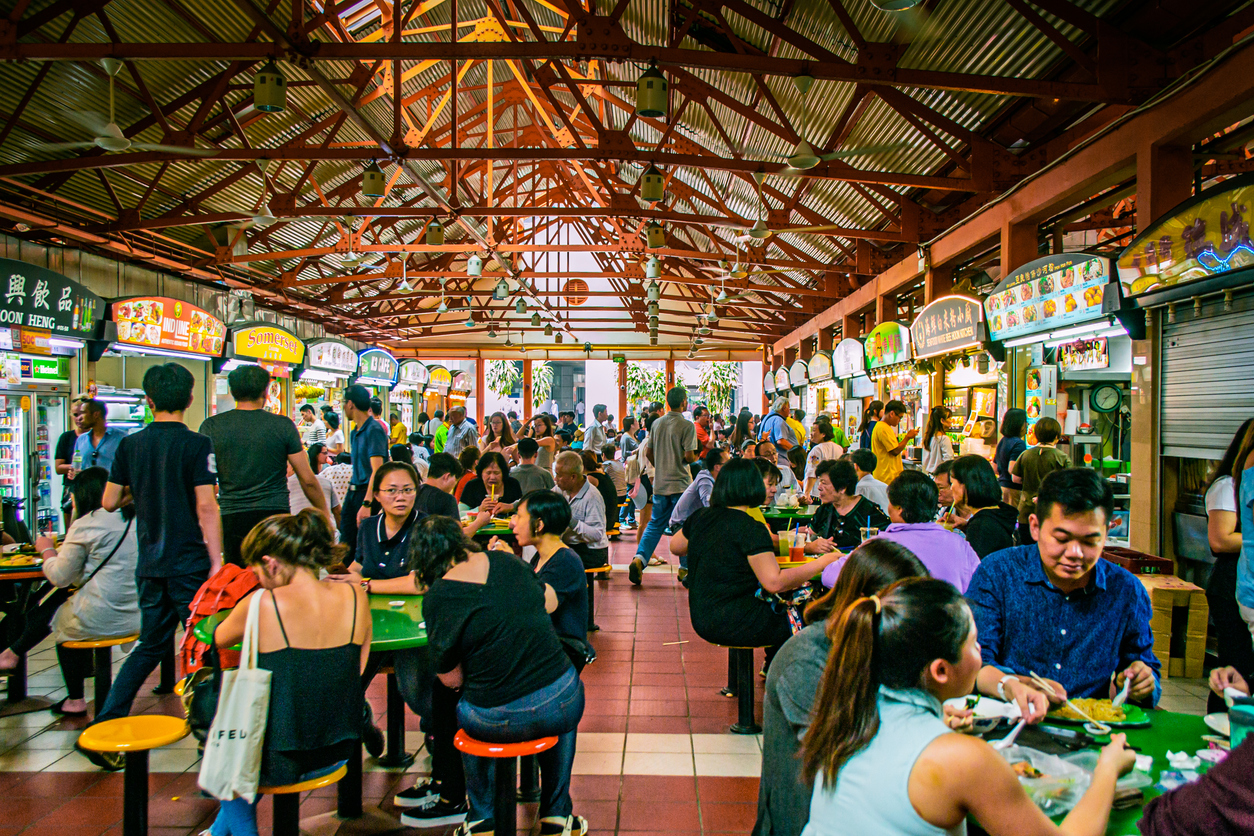
Singapore’s hawker culture is more than just cheap meals. It’s a UNESCO-recognised heritage, a cornerstone of daily life, and for many families, a livelihood that literally puts food on the table.
Discount-driven models may work for global chains, but they don’t fit hawkers, who are small business owners often working 12–14 hours a day to stay afloat. When apps pressure them to offer discounts, it doesn’t create “shared value.” Instead, it creates an uneven system where hawkers shoulder the cost while customers and platforms reap the benefits.
Suppose we want our hawker culture to endure. In that case, we need business models and initiatives that are fair, sustainable, and genuinely help hawkers grow, rather than exploiting them in the name of cheaper meals.
Read Also: Who Owns & Operates Hawker Centres, Coffee Shops & Food Courts In Singapore?
Top Image Credit: iStock/Ciara Sherry
Subscribe To The DollarsAndSense Business Pass
Enjoy what you are reading and want more? Join The DollarsAndSense Business Pass and unlock access to valuable tools, exclusive networking opportunities, and tap into the wisdom of industry experts to fuel your business expansion!