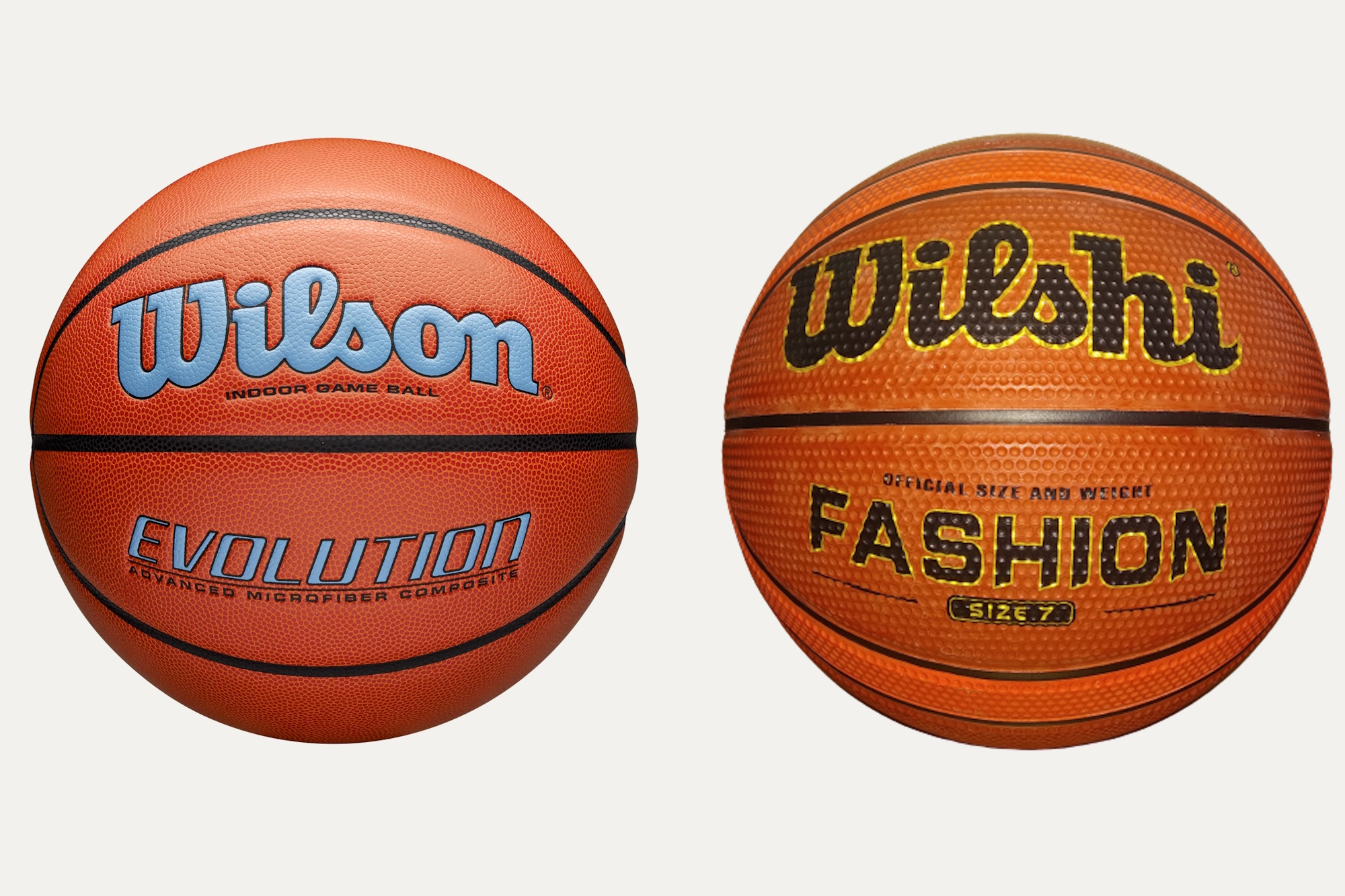
You don’t need to be a basketball fan to know the Wilson Sporting Goods Company. The 112-year-old company manufactures a variety of sporting equipment and is perhaps most well-known for being the official game ball supplier for the NBA. But have you heard of Wilshi basketballs? I hadn’t until I saw a photo on the /crappyoffbrands subreddit. This 10-year-old Reddit community is dedicated to “unauthorised products that are less than spectacular”.
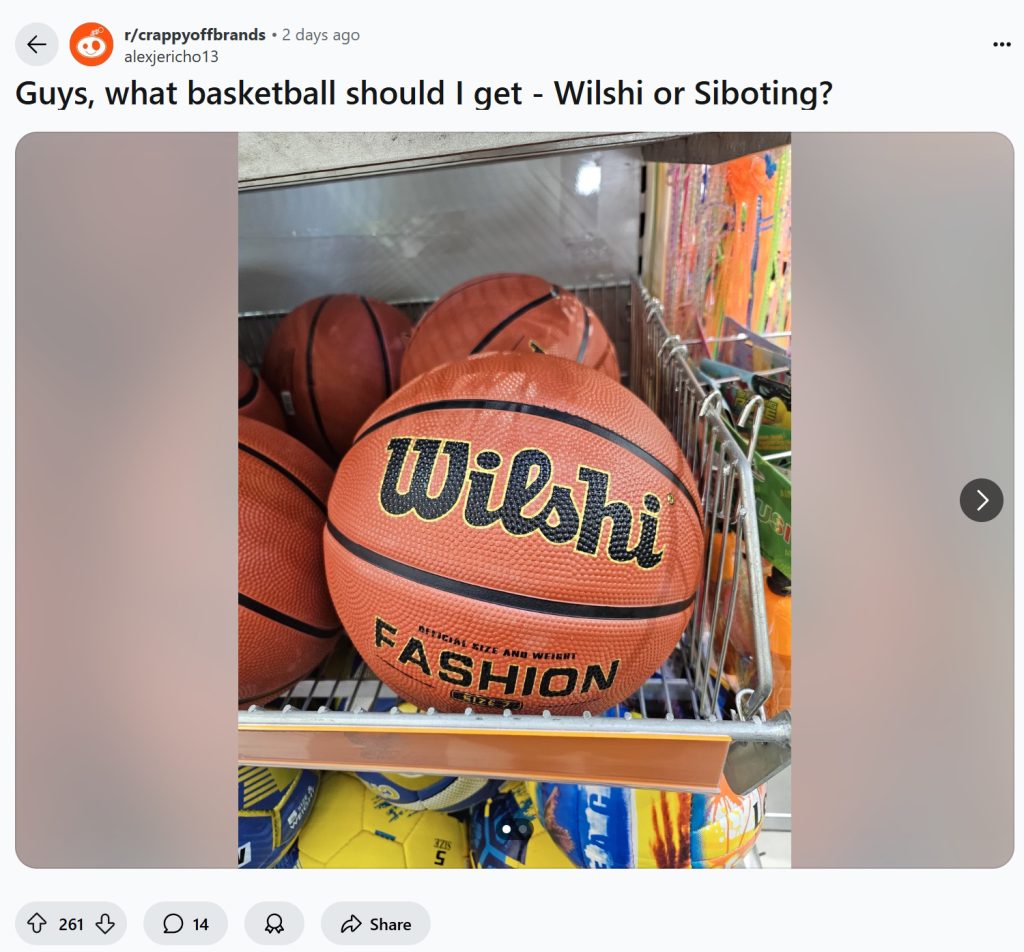
Source: Reddit/crappyoffbrands
While the term “off-brand” implies unknown and inferior, products like these are perhaps more accurately described as weird bootlegs or obvious ripoffs. They are intentionally trying to appear like a more well-known brand by imitating their colours, fonts, and imagery. This is known in intellectual property law as “passing off”.
Aupen Vs. Target’s Auden
Earlier in September, it was reported that local handbag brand Aupen was laying off its staff. Reports implied this layoff was connected to an ongoing US trademark dispute over the Aupen name, which is similar to American retail giant Target’s sleepwear brand Auden.
The concern, according to a legal letter allegedly from Target’s legal representatives posted on Aupen’s Instagram account, was due to “the nearly identical phonetic and visual similarities between Auden and Aupen”. According to the letter, Target hoped that Aupen would “abandon or amend” their US trademark application, as they were “concerned that source confusion could arise”.
It is too early to comment more on this ongoing situation. In less than a week, Aupen removed all its products from its website, before restoring them with the words “Your support means everything – all purchases will be delivered”. During that time, the Intellectual Property Office of Singapore (IPOS) also released a statement to set the record straight on their involvement in the matter.
Confusion In Intellectual Property
When opposing a trademark based on “confusion”, which is what Target’s legal representatives allegedly claimed, evidence needs to be shown that the trademark they’re opposing (i.e. Aupen) could be passed off as the trademark they own (i.e. Auden).
To oppose a trademark successfully, the plaintiff needs to prove the “classic trinity” of passing off, that is, the existence of goodwill, misrepresentation, and damage to goodwill. This has been enshrined in most intellectual property laws around the world, and in Singapore, under Section 8(7)(a) of the Trade Marks Act 1998.
The existence of goodwill refers to the reputation of the trademark owned by the plaintiff. For example, a distinguishing feature, colour, or name could be easily connected by the public to the brand or trademark. Goodwill also implies that the public is aware of the plaintiff, as evidenced by advertising and volume of sales, for example.
Misrepresentation refers to the effect of the public believing that the trademark being opposed is connected to the plaintiff’s trademark. The key to note here is that even unintentional misrepresentation is still considered misrepresentation.
Finally, damage to goodwill refers to the possibility that the trademark being opposed has negative consequences on the goodwill and reputation of the plaintiff’s trademark. No actual damage needs to be proven here, though obviously, if there is damage, it would improve the case of the plaintiff’s trademark.
Subway Vs. SUBWAY niche
In Singapore, there have been several cases where trademarks have been opposed on the basis of passing off, but none more notable than in 2010 when SUBWAY niche, a local chain of nonya kueh stalls, tried to trademark their brand name and new logo.
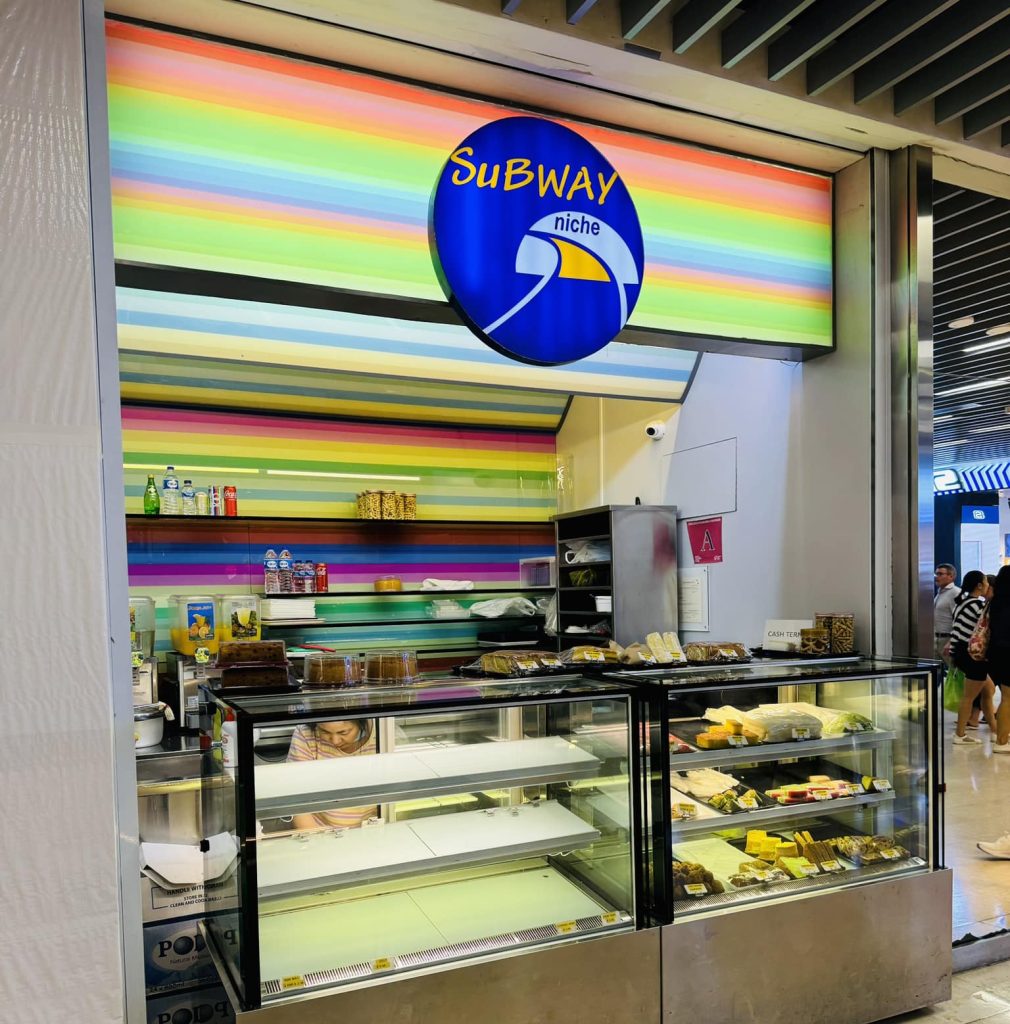
Source: Facebook/Heritage SG Memories
Most well-known for its outlet in Wisma Atria’s basement, opened since 1987, SUBWAY niche had 8 other outlets in Singapore by 15 December 2009.
They were opposed by fast food chain Subway, which had trademarked the Subway name in Singapore in 1989 and opened its first Subway restaurant in 1996. Subway essentially claimed that SUBWAY niche was infringing on their trademarks and that because they sold similar goods there could be confusion among the Singapore public.
The case finally concluded in 2012, when the High Court determined that while Subway is well known in Singapore, it was unlikely that the public would confuse their brand with the SUBWAY niche brand and draw a connection between the two.
In addition, the High Court determined that when SUBWAY niche was founded in 1987, Subway had “no real evidence of any goodwill, reputation, or base of customers” in Singapore. For these two reasons, it was determined that no trademark infringement had occurred and the SUBWAY niche trademark could proceed.
Read Also: What You Need To Know Before Setting Up A Subway Franchise In Singapore
Subscribe To The DollarsAndSense Business Pass
Enjoy what you are reading and want more? Join The DollarsAndSense Business Pass and unlock access to valuable tools, exclusive networking opportunities, and tap into the wisdom of industry experts to fuel your business expansion!