I wrote a LinkedIn post about home-based cafés, didn’t quite expect it to blow up the way it did, but it clearly struck a nerve and resonated with others.
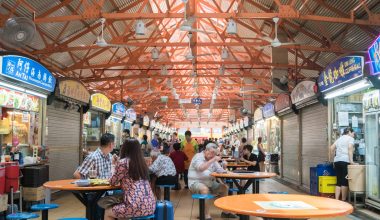
Hundreds of comments poured in. Some defended home café owners and praised their creativity. Others, like myself, have raised concerns about the growing disparity between licensed food and beverage (F&B) businesses and home-based operators. What began as a post about fairness and regulation quickly evolved into a broader conversation about entrepreneurship, public policy, safety, and what it really takes to succeed in Singapore’s food scene today.
I’m Not Against Home-Based Cafés. I’m Against A Broken System
As an entrepreneur and former bar owner, I deeply respect anyone trying to build something of their own. Whether you’re running a tech startup or baking brownies in your HDB flat, the grind is real, and the courage it takes is no small thing. Entrepreneurship and starting a business, small or otherwise, is something that takes time and heart, and I never want to belittle an entrepreneur.
So, what actually is the challenge and concern here?
The issue at hand is not about whether people should be allowed to start small. It’s about the fact that licensed F&B establishments are playing by a set of strict, costly rules, while home-based cafés are operating with minimal (and often zero) oversight. That creates an uneven playing field.
Meanwhile, some home cafés are hosting over 100 customers a day, with seemingly no visible compliance requirements in place. Clearly, something in the system is broken.
Certification ≠ Licensing
One common rebuttal I heard was: “How do you know they’re not licensed?” The answer is simple: they can’t be, at least not in the traditional sense.
Under current regulations, it’s not legally possible to operate a licensed dine-in F&B outlet from a private residence in Singapore. The Singapore Food Agency (SFA) only issues food shop licences to premises that are zoned and approved for commercial use. Residential properties do not qualify. This means that even if a home-based café regularly hosts dine-in customers, it’s technically operating outside the framework of what’s legally allowed for F&B businesses.
Some home café owners may have attended basic food safety courses or even obtained a Food Hygiene Certificate, and that’s commendable. But let’s be clear: holding a certificate is not the same as holding a valid food service licence. A certificate simply shows that the individual has undergone training. A licence, on the other hand, signifies that the premises have passed a rigorous series of site inspections, compliance checks, and regulatory approvals, covering everything from kitchen layout and floor drainage to pest control measures and staff hygiene systems.
The difference is significant. Licensed operators are subject to regular audits and spot checks. They must meet the requirements of multiple agencies, including SFA, NEA, SCDF, and occasionally MUIS. They’re required to publicly display their licence and renew it periodically. Failure to comply can result in fines, demerit points, or even the forced closure of the premises.
So when people ask whether home-based operators are “licensed,” it’s not a matter of speculation. By definition, they’re not, and under the current system, they can’t be. That’s where the imbalance begins.
A Threshold Model Is Long Overdue
This isn’t about clamping down on passion. One possible way forward is to adopt a tiered regulatory model, similar to how businesses are required to register for GST once they exceed the $1 million annual revenue threshold.
In this context, thresholds could be based on factors such as:
- Monthly or annual revenue
- Number of dine-in customers per week
- Whether dine-in seating is provided
- Use of staff or external helpers
- Frequency and duration of operations
If a home-based business exceeds these thresholds, additional oversight and regulation should be triggered, either automatically or through a self-declaration process. This wouldn’t be a punishment, but rather a progressive pathway for such businesses to scale up responsibly.
This approach would protect genuine micro-enterprises while ensuring that larger, customer-facing operations meet the same food safety and urban planning standards expected of licensed establishments. It provides clarity for operators and offers policymakers a more structured framework for managing public health and urban development effectively.
The Real Costs of Playing by the Rules
Here’s an example of what licensed F&B operators can expect to have to handle, before even serving a single customer:
- Commercial Rent: $8,000–$30,000/month
- Security Deposit: 3–6 months’ rent upfront
- Fit-Out & Renovation: $50,000–$250,000 to meet code
- Licensing Requirements: SFA, NEA, SCDF, URA, BCA, MUIS, Liquor Control
- Utilities: $2,000–$5,000/month
- Manpower Costs: Wages, CPF, insurance, WSQ training
- Operational Maintenance: Pest control, grease trap, hood cleaning
- Marketing & POS Systems: CRM software, platforms, loyalty tech
- Compliance Delays: Weeks of back-and-forth, “ding-dong” emails, and staff on medical leave can lead to lost time and rent for even the most prepared operators.
Marketing Isn’t A Moat Anymore
Some argue that licensed shops have an advantage in branding, street presence, and walk-in traffic. That used to be true. Today, it’s outdated thinking.
A home-based café with a clean logo, Instagram account, and decent lighting can go viral on TikTok or get picked up by a lifestyle blog. Coffee by the Porch, for example, is a home café that reportedly sees over 100 customers a day (kudos to them, by the way), more than many commercial cafés in high-rent locations.
Visibility is no longer about where you are. It’s about how you show up online. And on that front, tools are now available to everyone, such as Canva for design, Shopify for e-commerce, Instagram for marketing, and Telegram for customer updates.
Some might argue that traditional restaurants and bars should adapt and do the same. And sure, they should. Many do. But it’s not a level playing field when a licensed business is dealing with the burden of regulatory red tape, escalating rent, operational overheads, and a six-figure upfront cost, all while trying to build a social media presence from scratch. For many, it’s not a matter of unwillingness, but bandwidth.
In contrast, a home-based operator can devote their full energy to content and community, often with zero overheads, while riding a wave of organic discovery and viral trends. That isn’t inherently unfair, but it does prove that marketing is no longer a competitive moat exclusive to licensed operators.
It’s About Balance
To be crystal clear: this conversation is not an attack on home-based businesses. It’s a specific call for policy clarity and a rebalancing of the system.
When this issue was last debated in Parliament in August 2021, the government’s rationale felt overly simplistic. SFA maintained that the food safety risk posed by home-based food businesses is “small” and therefore doesn’t require licensing, based mainly on the limited number of reported gastroenteritis cases.
But are we truly comfortable waiting for a severe outbreak before acting? The SFA’s decision appears to treat scale and risk as static, yet businesses evolve. Once a home kitchen starts serving dozens of meals daily, with recurring customers, the risk profile changes. Labelling the issue as low risk until proven otherwise is backwards. Food safety shouldn’t hinge on waiting for incidents to escalate; it demands proactive, dynamic regulation that matches actual operation scales.
We should continue to encourage innovation, experimentation, and community-driven business models. But we also need to acknowledge that as these businesses scale, the risks, responsibilities, and impact change.
If the rules are too strict for licensed outlets, let’s revisit and improve them. If home-based businesses are scaling beyond what the current framework anticipated, let’s build a new tier that reflects today’s realities.
What we can’t do is allow this two-track system to continue unaddressed. Because it sends the wrong message to people trying to follow the rules, and to the next generation, who are deciding whether they even want to try.
Fix The Framework, Not The Hustle
The rise of home cafés isn’t the problem; it’s a sign of how entrepreneurial spirit continues to thrive in Singapore. However, what is missing is a policy framework that keeps pace.
We’re witnessing the collision of legacy systems with a new wave of creativity and innovation. And right now, it’s the rule-followers who are paying the price. If we don’t evolve the system soon, we risk pushing good people out, not because they failed, but because the rules failed them.
Singapore has always been known for getting things right. Let’s make sure that continues. Let’s build a system that supports both the small dreamers and the seasoned operators. A system that says: you can start small, grow responsibly, and be rewarded for doing it the right way.
Fix the framework, not the hustle. Level the playing field, and let everyone rise, together.
Read Also: How Valuable Can It Be For Your Career To Connect To The Right Headhunters?
Chua Ee Chien is currently Commercial Director at TOKEN2049 and SuperAI. Previously, he was in the F&B business and was the owner and operator of Jekyll & Hyde.
Subscribe To The DollarsAndSense Business Pass
Enjoy what you are reading and want more? Join The DollarsAndSense Business Pass and unlock access to valuable tools, exclusive networking opportunities, and tap into the wisdom of industry experts to fuel your business expansion!