The Singapore Land Authority (SLA) has given the marching orders to Orto leisure park and non-profit Ground-Up Initiative (GUI), located at 81 and 91 Lorong Chencharu, respectively, to vacate their premises by 30 June 2023, according to The Straits Times on 7 August.
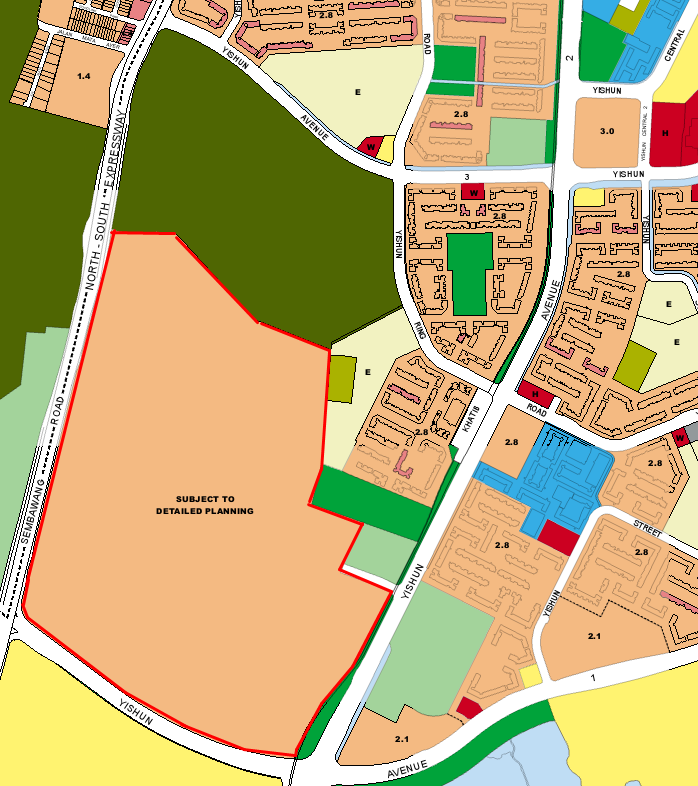
The Chencharu site has been earmarked – within a plot of about 70ha that is bounded by Khatib Camp, Sembawang Road, Yishun Avenue 1 and Yishun Avenue 2 – for residential use.
Regular visitors are understandably upset over the impending loss of the 5.15ha leisure park, which houses 14 tenants, including restaurants, a trampoline park, prawn and fishing businesses, and even a live turtle and tortoise museum.
Given the rapid modernisation of our city, are these outdoor businesses a dying trend in Singapore, where space is a prized commodity?
Need To Maximise Prime Space
As a country with a small land area and high population density, we take our land planning seriously to ensure that we maximise our available space efficiently. This is done via the URA Master Plan, which guides the physical development of Singapore over the next 10 to 15 years, and the Concept Plan, which maps out the physical development over the next 40 to 50 years.
Outdoor businesses that rely on leased spaces can use these planning guides to either look forward to potential opportunities in different regions of Singapore or to keep up with changes that may occur around them.
For example, under the 2019 URA Master Plan, the Chencharu site has been zoned for residential use, albeit it is subject to detailed planning. However, this should provide existing tenants with enough information about the government’s intentions for the area so that they are not caught off guard.
Government Is Promoting Hub Spaces
The government has been creating hubs to house businesses with a common identity in order to maximise resources and infrastructure. For example, Our Tampines Hub (OTH) is Singapore’s first and largest integrated community and lifestyle hub. It brings together community and recreational facilities like a community centre, a swimming pool, and a library, amongst others, which had previously stood as standalone buildings, in a single location. These recreational hubs will be more prevalent in the future.
Businesses may also identify with the other developments such as the Jurong Innovation District, Punggol Digital District, and Changi Aviation Park, as some of the other economic hubs that are built to facilitate the cohesion of businesses within the same industry.
Similarly, affected businesses at Orto leisure park could possibly seek relocation within the Kranji: Recreation & Community hub, if their business activities fall in line with the approved range of activities in the precinct.
Unpredictable Weather And Footfall Is Bad For Outdoor Business
Singapore might be a sunny island, but it also has (fortunately) its fair share of rainfall throughout the year.
Outdoor recreational businesses that are heavily reliant on good weather may experience a fall in sales on rainy days or on particularly hot and humid days. This may impact the sustainability of such businesses, especially when they may also have high rents and other overhead costs. As such, fewer operators might be willing to engage in these types of business activities.
Changing Consumer Behaviour And Trend
Shopping malls, which previously were located in prime locations, have become commonplace in Singapore with the proliferation of at least one mall in almost every suburban town. They bring greater convenience and accessibility to shop for a wide range of goods and services under one roof.
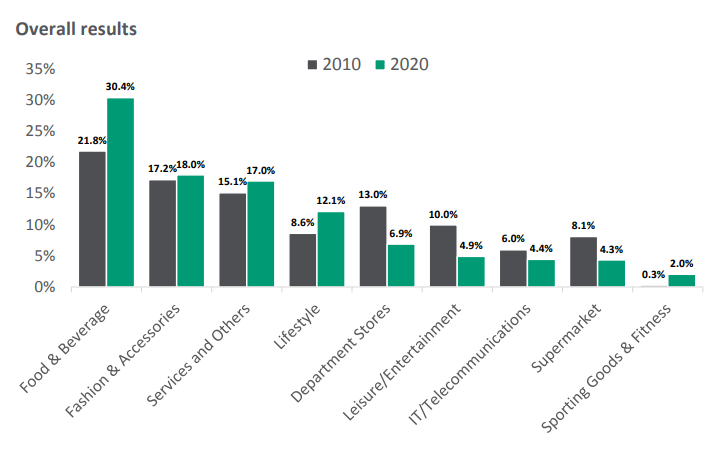
As consumer preferences have changed over the years, partly due to the rise of e-commerce, malls have also reconfigured their trade mix to stay relevant to shoppers. For example, in the 2021 insight paper on Singapore Retail, the trade mix of eight commercial REITS was analysed over the last decade. One category that we wish to highlight is the Sporting Goods & Fitness. The share of sports & fitness tenants grew from 0.3% in 2010 to 2.0% in 2020.
The increased emphasis on wellness and health has resulted in more of such services being provided within the confines of a mall. Today, we can do many of the sporting and recreational activities like rock climbing (at Kallang Wave Mall), bounce on the trampoline platform (at Suntec City Mall), or even take a sampan ride (at Marina Bay Sands) in a mall.
Over the last decade, shopping malls have evolved to become the go-to place for our recreational needs like dining, lifestyle and even some sports activities. This trend may continue as more owners rejuvenate their malls to attract consumers based on their evolving needs.
Not All Is Lost
SMEs face disruption in a variety of ways and must therefore be willing and prepared to transform in order to remain relevant. One way businesses can pivot is to leverage the digital solutions offered under the Go Digital programme or the enhanced Productivity Solutions Grant to improve their productivity through IT solutions. Another way is through the SkillsFuture Enterprise Credit (SFEC), which gives a one-off $10,000 credit to cover the cost of investing in the enterprise and its workers’ transformation. SMEs that need working capital loan to make these changes could apply for the Temporary Loan Bridging Programme and other Enterprise Financing schemes.
For the rest of us who lament the loss of Orto and the recreational space as consumers, we could still share our views with the government and our 4G leaders through the Forward Singapore exercise. It is an initiative meant to encourage active citizen participation in helping to shape the future of Singapore.
Subscribe To The DollarsAndSense Business Pass
Enjoy what you are reading and want more? Join The DollarsAndSense Business Pass and unlock access to valuable tools, exclusive networking opportunities, and tap into the wisdom of industry experts to fuel your business expansion!