Korean culture has taken the world by storm. From K-pop bands to hit Netflix shows like Squid Game, people everywhere are increasingly enamoured with Korean-inspired goods, media, and experiences. As that influence has spread, so has the opportunity for brands to grow alongside it.
One of the most effective ways brands have done this is by leveraging the viral nature of culture, specifically through cross-collaborations. When done well, collaborations don’t just promote a product. They give people a reason to care.
An example was the launch of Huntrix Instant Noodles, inspired by the K-pop girl group Huntrix from the global animated hit K‑Pop Demon Hunters. When the noodles hit shelves, the reaction was overwhelmingly positive. Fans weren’t simply buying instant noodles; they were entering a world they already felt emotionally connected to.
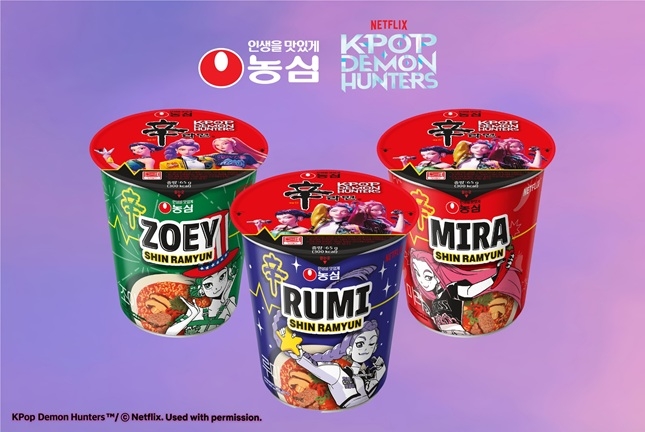
That enthusiasm naturally extended to Nongshim, whose spicy Shin Ramyun packaging featuring the Huntrix trio quickly gained traction on social media. The product itself was familiar, but the framing was not. And that difference mattered.
Why Collaborations Work
Most modern product launches follow a predictable pattern. There’s a teaser phase, a paid media push, influencer posts, and then a slow, steady build of awareness.
Collaborations shortcut much of that process. They work because they tap into existing loyalty rather than trying to manufacture interest from scratch. When two brands come together — especially from different categories — the partnership itself becomes the hook.
Huntrix Instant Noodles isn’t just “another flavour” entering a crowded instant-noodle aisle. The collaboration creates a story. And stories travel further than features, pricing, or marginal product tweaks ever do.
Borrowing Audiences, Not Buying Eyeballs
One of the biggest advantages of collaboration launches is the ability to avoid audience duplication.
Each partner brings its own community. When those communities partially intersect, total reach expands meaningfully. Think of a Venn diagram with two large circles and a relatively small overlap. Suddenly, both brands gain exposure to people who might not have engaged otherwise.
You can see this clearly in one of the most successful collaborations of the past decade: McDonald’s and BTS.
The BTS Meal wasn’t about convincing existing customers to buy more fast food. It was about tapping into a global fandom with deep emotional investment. A standard menu item became a cultural artefact, driving queues, resale markets for packaging, and massive social buzz.
Cultural Relevance Beats Product Innovation
The Huntrix Shin Ramyun collaboration works on the same principle. Instead of relying solely on habitual buyers of spicy instant noodles, the product can enter entirely new cultural conversations.
This matters in categories like instant noodles, where innovation is often incremental. New flavours, limited editions, and redesigned packaging are nice, and while these changes can support sales, they rarely generate excitement on their own.
Cultural relevance, on the other hand, creates momentum. It gives a familiar product permission to appear in new contexts, such as fandom spaces and conversations unrelated to food.
Expect More Collaborations Like This
As markets become more saturated and attention more fragmented, launch collaborations will only grow in importance, particularly in a social media environment where recognition can spread rapidly.
For brands looking to expand reach, stay culturally relevant, and manage the risks of launching new products, collaborations occupy a valuable middle ground. When executed thoughtfully, they turn ordinary products into cultural moments.
Read Also: From Ice Cream To Coffee: Why Chinese Brands Are Suddenly Everywhere In Singapore
Subscribe To The DollarsAndSense Business Pass
Enjoy what you are reading and want more? Join The DollarsAndSense Business Pass and unlock access to valuable tools, exclusive networking opportunities, and tap into the wisdom of industry experts to fuel your business expansion!