Times have changed.
For previous generations entering the workforce, it was about adjusting to the existing workplace culture. When millennials (born between 1980 and 1994) joined the workforce, we adapted to a workplace shaped by older colleagues who valued loyalty and long hours. Over time, we redefined these traits—loyalty evolved into finding meaning in our work, and long hours shifted into a focus of being willing to work hard for our passion.
Along the way, we introduced our values, adjusting them slightly to suit the workplace. Like the previous generations, we valued getting promoted, in terms of salary and responsibilities—so career growth and continuous learning became a priority, rather than just showing up for a paycheck. Millennials were also afraid of being stagnant in our roles, so instead of just hoping that career progression would come our way, we took risks, including embracing the concept of a mid-career switch to pursue what we wanted, rather than staying in one place for job stability.
The Workplace Evolves with Every Generation
One key aspect of progress is adaptability. Whether it is individuals, companies or entire industries, evolution is necessary to stay relevant.
Gen Z workers (born between 1995 and the early 2000s, meaning anyone 30 or under today) are entering the workforce with new expectations, including an added emphasis on flexibility, open communication, and work-life balance.
However, it’s important to point out that these expectations do not solely belong to Gen Z workers. Rather, they reflect broader workplace trends that will likely shape the future of work and are expectations that even older workers today will appreciate.
However, meaningful change requires collaboration between employees and employers. While companies must be open to evolving, employees also ensure that new work models contribute to both individual well-being and organisational success.
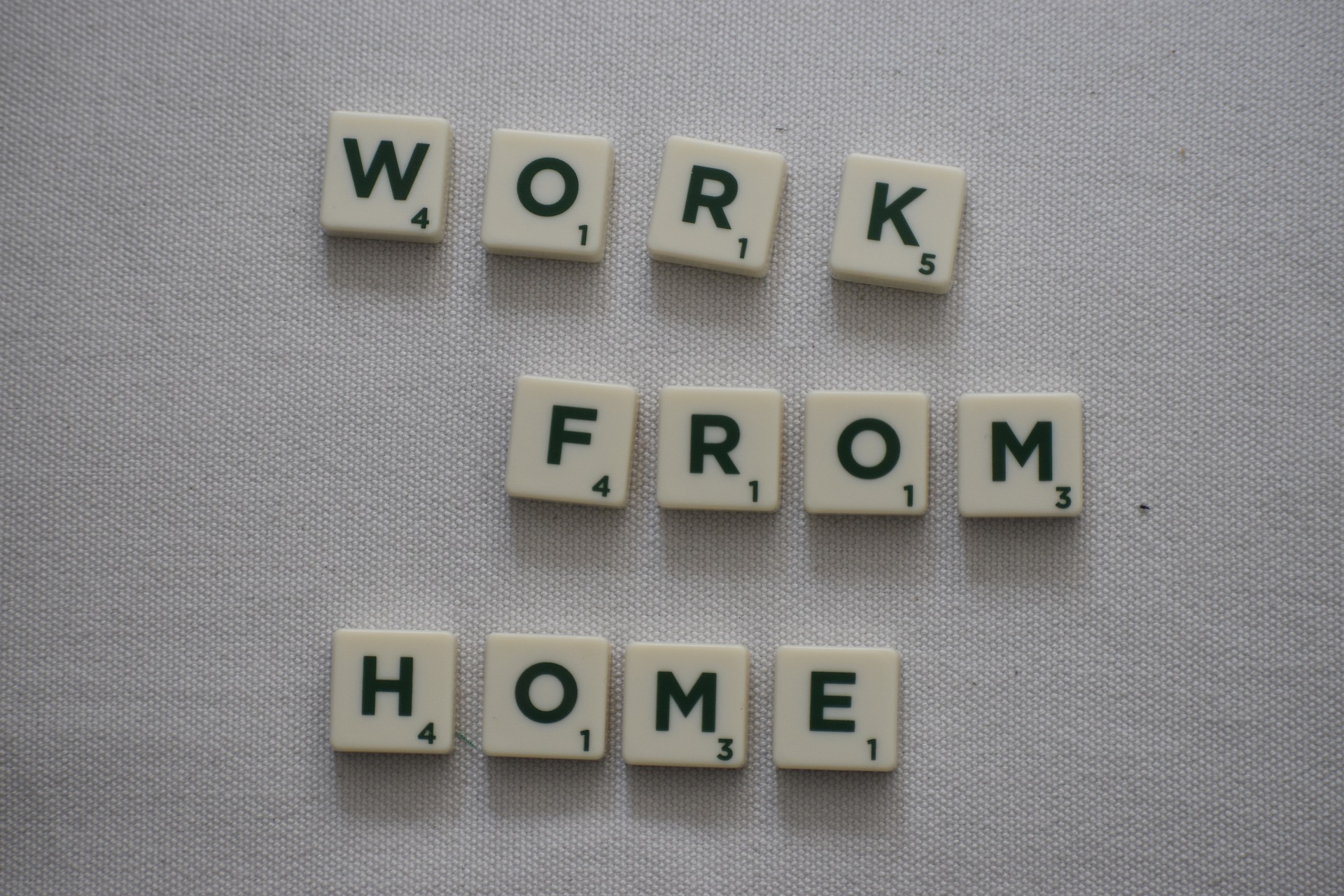
Why Some Companies Are Rescinding Work-From-Home (WFH) Policies
Over the past year, many organisations worldwide, including in Singapore, have reversed their remote work policies. Once seen as the future of work, WFH offered employees greater flexibility. However, in recent months, even major institutions—including the US government—have mandated employees to return to the office.
At its core, every company—whether private or public—exists to achieve its goals in terms of profitability, revenue growth or performance metrics. When targets are not met, management naturally looks at ways to optimise productivity, and in some cases, this means bringing employees back into the office.
When implemented effectively, remote work can benefit both employers and employees. However, for these arrangements to be sustainable, companies need to also see positive business outcomes, just as employees seek a work-life structure that aligns with their personal needs. Striking this balance requires continuous discussion, adaptation, and trust on both sides.
In other words, you are unlikely to get to work from home if the business outcome required is not met.
Work-Life Balance: A Shared Responsibility
Work-life balance has long been a goal for employees across generations. While Gen Z strongly emphasises it, achieving balance is not just about having flexible hours—it is about building fulfilling careers.
Work is a significant part of life, and feeling engaged in what we do plays a role in overall well-being. At the same time, companies must recognise that employees perform best when they have space to recharge. The key to work-life balance lies in effective time management, mutual trust, and alignment between individual goals and organisational objectives.
Singapore employers must navigate these evolving expectations in the years ahead while ensuring business sustainability. The most successful workplaces will embrace change while fostering a culture of collaboration and adaptability—where every generation contributes to shaping the future of work.
Read Also: 5 Common Reasons People Are Staying Out Of The Workforce In Singapore
Subscribe To The DollarsAndSense Business Pass
Enjoy what you are reading and want more? Join The DollarsAndSense Business Pass and unlock access to valuable tools, exclusive networking opportunities, and tap into the wisdom of industry experts to fuel your business expansion!