When given a situation where we need to negotiate with another party, many of us would prefer to have win-win arrangements. For example, renting a spare room to a friend who needs temporary lodging is a win-win deal.
Similarly, an internship is also a win-win arrangement. The company receives manpower support from the interns they work with while paying a lower-than-market remuneration for them. Concurrently, the interns also gain valuable working experiences and training from the company, giving them a higher chance of securing full-time employment in the future. If all goes well, both parties are happy and that is why internships are such a valuable part of the working world for both employers and employees.
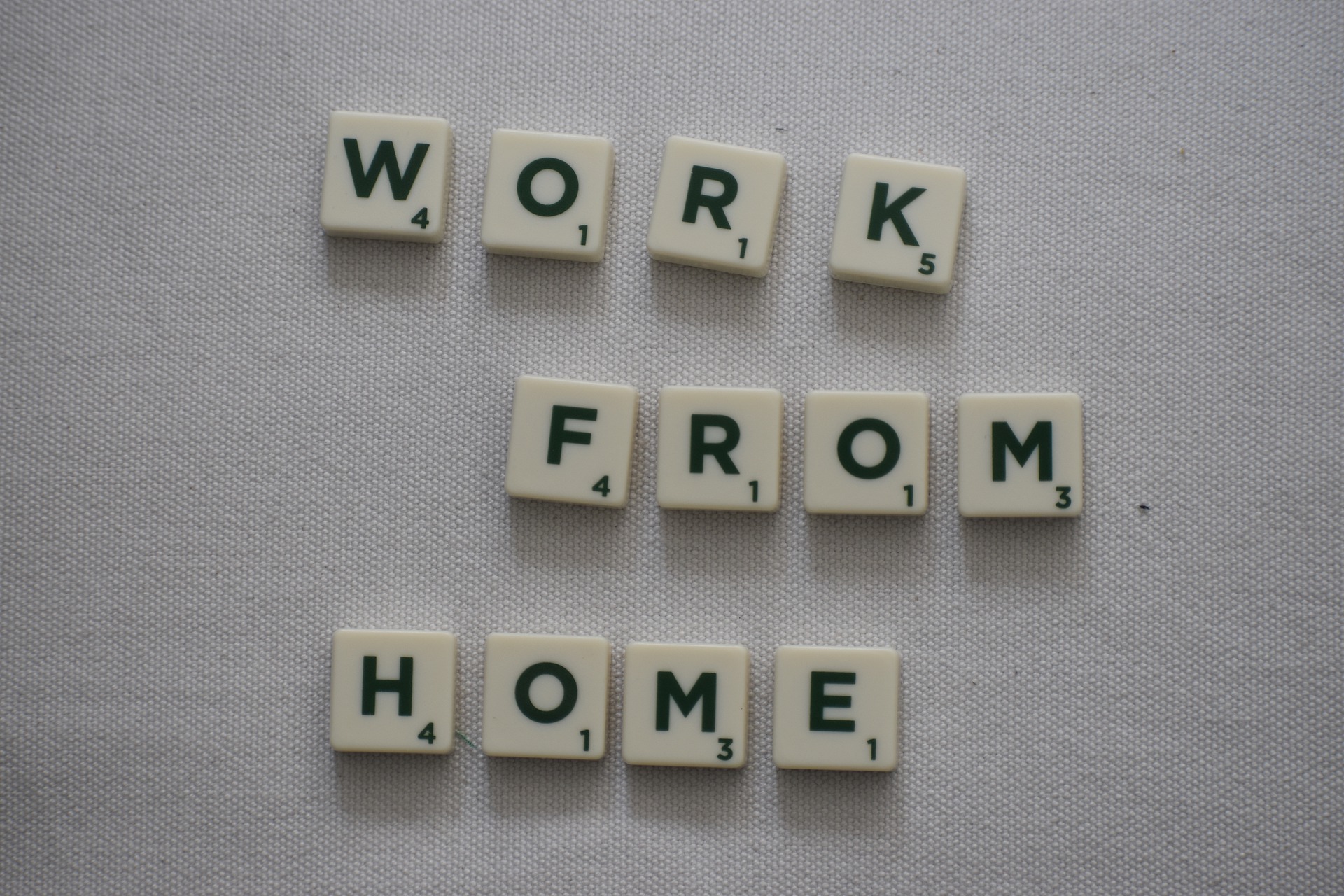
When it comes to working-from-home, why can’t we attempt to find such win-win outcomes between employers and employees similar to how internship arrangements are?
Working From Home Is Not A Zero-Sum Game
Like most other decisions in life, working-from-home (or working remotely) comes with its own pros and cons. For many employees, eliminating travelling time each day means additional hours that can be used for personal care, family time or even to do more work. If you have the right environment at home (e.g. a great home router, comfortable office chairs, the right laptop stand), you may find yourself enjoying a higher level of productivity working from home as compared to the office, where you may be more prone to being disturbed by equally distracted colleagues.
Of course, we can’t completely ignore some of the trade-offs when working from home. In this article from Entrepreneur, the writer shared his views that WFH appears to be robbing fresh employees of an ‘Office Education’. Some of these education includes “getting a crash-course in professionalism, responsibility, relationship-building, negotiating, time-management, empathy and communication.” Even Google seems to have some thoughts about the trade-off of remote working as it announces a possible plan to cut salary for employees who work-from-home.
Some employees think that companies are benefiting from their employees who are working-from-home. The most common argument is that some employees are working longer hours working from home, and also incurring additional expenses due to higher usage of electricity, water and gas at home. They may also not enjoy the usual office amenities such as free coffee and snacks.
However, instead of thinking that one side is benefitting at the expense of the other, we should change our approach and think about how we can make working-from-home a win-win outcome for both employers and employees.
Why Employers Benefit From WFH
Besides the need to adhere to government regulation, one of the main benefits for employers is the reduction of the real estate space they need. Larger offices are no longer needed if part of the team work-from-home on a regular basis. Office expenses may also reduce as lesser people come into the office each day.
At the same time, as a company gains the ability to do work remotely, it’s also able to access a much wider pool of talent beyond just people living in the country. As long as employees have the proper hardware and internet connection, teams can be built across different geographic regions. For Singapore companies, this may be an ideal way to get a foot in the door if we are thinking of overseas expansion.
As long as the bulk of the work can be done from home, with perhaps, some strategic and alignment meetings done in person, there is no reason why employers can’t benefit from a WFH arrangement.
Why Employees Also Benefit From WFH
As explained earlier, WFH isn’t a zero-sum game. Just because the company you work from appears to be doing well during remote working can save costs doesn’t mean that they are doing it at your expense.
For a start, assuming you work roughly the same amount of time each day, whether it’s in the office or at home, WFH means you save time on your daily commute. If like me, you live in the eastern region of Singapore and have your office in the CBD, you could save about 2 hours a day commuting (1-hour in either direction). This can go towards waking up a little later, getting a morning run, spending time with the kids, and even working just a little more for your employer.
On the financial aspect, while it may be true that your company will save as it no longer needs such a big office, you, as an individual, can also save money. Expensive office lunches, TGIF drinks at the pub and cab rides can be substituted by cheaper and more wholesome activities like home-cooked meals with our parents and extra time spent bringing our kids to the playground and library after work.
All these are things that we can do with the additional time and flexibility that we enjoy working-from-home – and yet, not at the expense of our employers. It’s a win-win.
Read Also: For Better Or Worse: Would #TheNewNormal Change Employment Relationship Between Companies & Workers?
That said, nobody should underestimate the challenges of working from home.
Ironically, in a survey conducted by the National University Health System’s (NUHS) Mind Science Centre in 2020, it was found that 61 percent of those working from home reported feeling stressed, compared with 53 percent of front liners.
The truth is that many of us who work-from-home work likely have jobs that are not easy, whether they are performed in the office or at home. A challenging job doesn’t automatically become easier because we work from home.
However, when working from home, we also have to cope with other non-work-related pressures.
This includes our children, who naturally will want our attention during the workday. It’s also no different from how our bosses will constantly find us throughout the workday when we are in the office. We may also be living with our elderly parents, who may not realise that while we are physically at home, our mental focus could be on work-related-matter during office hours. And blaming our employers or colleagues for these non-work-related challenges we face at home isn’t fair either.
Strive for a win-win when we work-from-home, rather than a no-win outcome.
Subscribe To The DollarsAndSense Business Pass
Enjoy what you are reading and want more? Join The DollarsAndSense Business Pass and unlock access to valuable tools, exclusive networking opportunities, and tap into the wisdom of industry experts to fuel your business expansion!