Over the years, in my role as a finance publisher, I’ve had the opportunity to speak with numerous founders and business owners, some of whom aspire to take their companies public.
Unfortunately for the Singapore market, many of these founders have chosen to list their companies on overseas exchanges such as the NYSE and NASDAQ in recent years. These include companies headquartered in Singapore or founded by Singaporeans—businesses that are widely recognized as Singapore startups or homegrown enterprises.
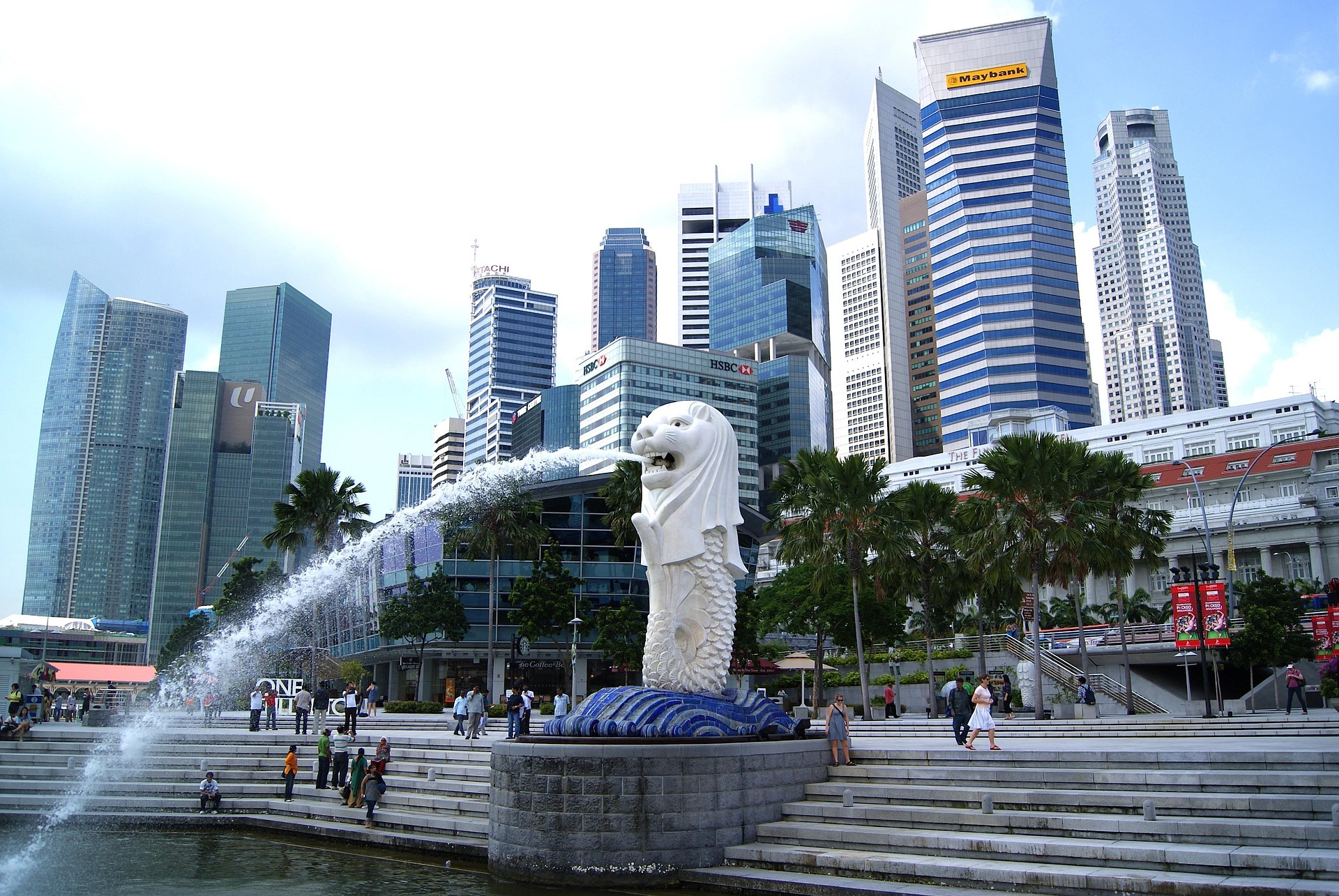
So, why is this happening? Why is Singapore—one of the world’s leading financial hubs, a city that effortlessly attracts wealthy individuals, global corporations, and investors—struggling to draw quality companies to list on the Singapore Exchange (SGX)?
In recent years, several high-profile Singapore-founded companies have opted for overseas listings. Notable examples include Grab (NASDAQ), Sea (NYSE), and PropertyGuru (NYSE, before it was privatised last year).
These companies could have been strong additions to SGX, yet they chose foreign exchanges instead. This raises important questions about Singapore’s positioning in the global financial landscape and what can be done to make SGX a more attractive destination for high-growth companies.
How Does The Stock Market Work?
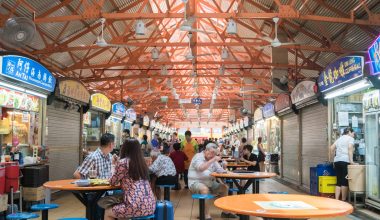
A simple way to understand the stock market is by comparing it to a wet market—or, for those of a younger generation, a shopping mall.
In a wet market, numerous vendors sell fresh produce daily to customers looking for quality goods. But a thriving market isn’t just about having great stalls—it also needs a steady stream of buyers. Both elements must work together: high-quality stalls attract more shoppers, and more shoppers generate higher sales, making the market even more vibrant and appealing to new vendors.
When done right, this creates a positive feedback loop—the better the stalls, the bigger the crowd; the bigger the crowd, the more attractive the market becomes, drawing in even more quality vendors. This cycle fuels growth, keeping the market competitive and lively.
The stock market operates on a similar principle. Strong, reputable companies (like good stalls) attract investors (the shoppers), and as more investors participate, the market becomes more dynamic, encouraging even better companies to list.
Sometimes, either by accident or design, a market or a mall starts to lean towards a certain type of produce. For example, Sim Lim Square became the go-to destination for tech enthusiasts looking for gadgets and computer parts, while Far East Plaza is known for its affordable fashion boutiques and independent retailers catering to younger shoppers.
This natural specialisation happens in the stock market too—certain exchanges or sectors attract specific types of investors. For example, investors looking for high-growth tech stocks may turn to Nasdaq, while those seeking stable blue-chip companies that pay high dividends such our local banks and REITs would be drawn towards SGX.
Attracting the right kind of investors is important when you are trying to woo the right companies.
Simplistically, it’s like trying to open a furniture shop at Far East Plaza—the foot traffic may be high, but the crowd is mostly there for fashion and lifestyle products, not home furnishings. Likewise, while SGX remains a strong marketplace, it may not naturally attract the kind of investors that high-growth tech companies are looking for, making markets like Nasdaq or the Hong Kong Stock Exchange more appealing destinations for their listings.
Why A Rejuvenation Of The SGX Can Help
All is not lost, and things can change. Think of Funan in the past.
For those who remember, Funan was once an ageing IT mall—despite being in a prime location where foot traffic wasn’t an issue (just like Singapore as a financial hub), it started to lose its appeal in the late ’90s and early 2000s. Many of its shops became dated, and the mall struggled to attract new and younger shoppers.
But instead of fading into irrelevance, Funan underwent a bold transformation. It was completely revamped into a modern lifestyle destination, blending retail with co-working and co-living spaces, urban farming, fitness studios, great F&B options and even a cycling path through the mall.
At the same time, it didn’t completely abandon its roots as an IT mall. Today, Funan still houses high-end tech spaces, with premium gaming products from brands like Razer showcased alongside innovative retail experiences. By preserving its legacy while embracing change, Funan successfully evolved into a mall catering to its traditional audience and a new wave of consumers.
Similarly, SGX has the potential to reinvent itself while staying true to its strengths. Singapore’s reputation as a stable financial hub, our strong currency, friendly business environment and robust corporate governance are natural advantages that SGX can leverage. Just as Funan found a way to blend the old with the new, SGX can adapt to attract high-growth tech firms without losing its position as a hub for REITs and established blue-chip companies.
Subscribe To The DollarsAndSense Business Pass
Enjoy what you are reading and want more? Join The DollarsAndSense Business Pass and unlock access to valuable tools, exclusive networking opportunities, and tap into the wisdom of industry experts to fuel your business expansion!