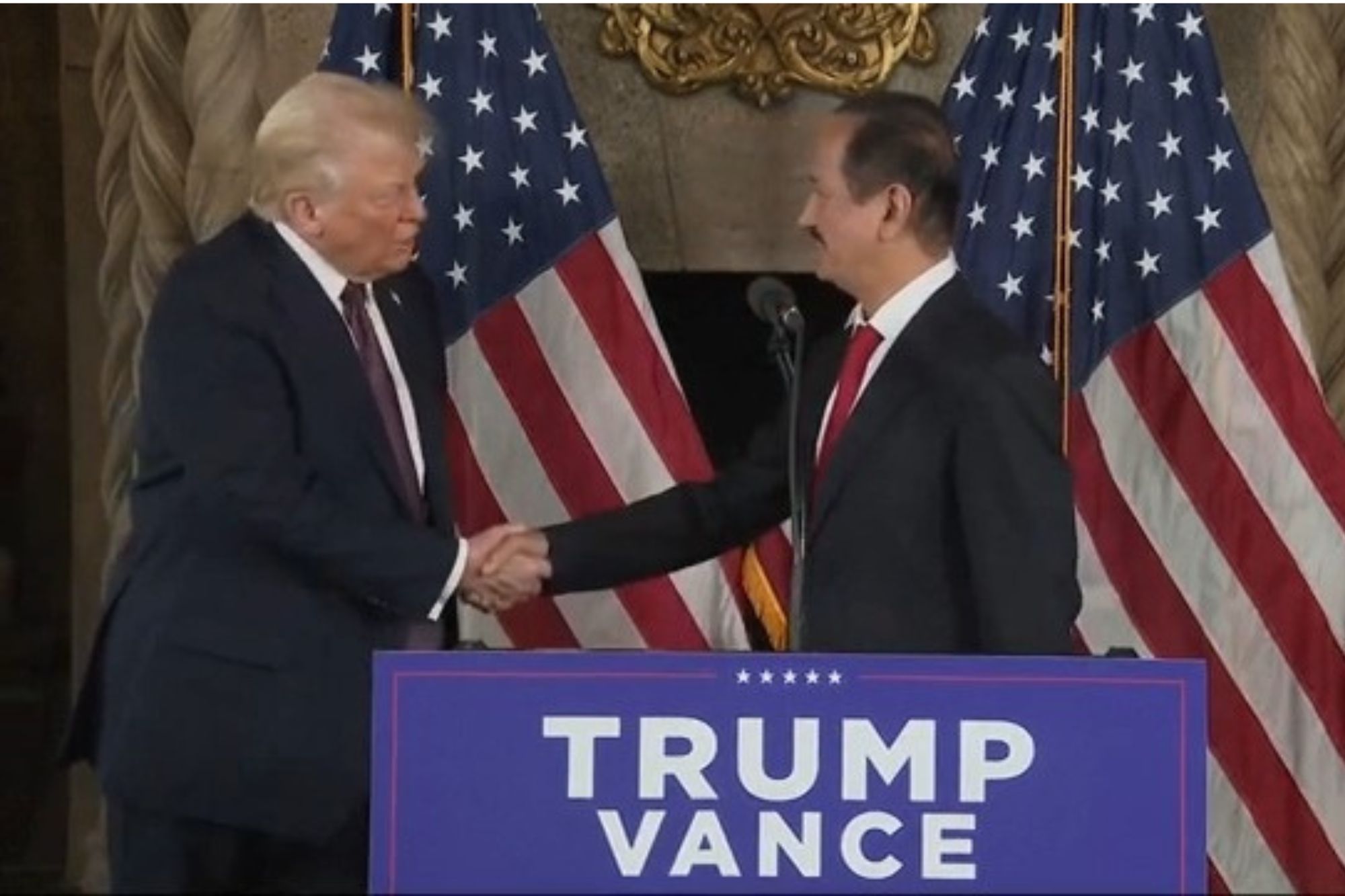
US President Donald Trump kicked off his second term in office, on 20 January 2025, by signing the largest number of Inauguration Day executive orders. This may not be entirely surprising as he also signed the most executive orders in a single term in recent history during his previous stint from 2017 to 2021.

We look at some of the orders he signed which may impact businesses – and possibly extend to Singapore businesses.
#1 Return To Office For All Federal Workers
Donald Trump took steps to bring Federal workers back to the office “as soon as practicable”.
This directive was given to heads of all Government departments and agencies – to terminate remote work arrangements, and return to in-person work on a full-time basis.
While Singapore-based employers are obviously not affected, it may be worthwhile looking at how this trend evolves.
For a start, private companies in the US may take the Government’s lead when it comes to HR policies. So, as entrenched as work-from-home may have become, it won’t be surprise if more US companies implement back-to-office measures for their employees.
There are obviously many established US companies that operate globally as well, and may extend this back-to-office stance for the global employees. This is one way Singapore employees working in US companies may be affected.
If back-to-office measures gain traction and show positive results, many other public and private employers in the world may mandate similar arrangements.
#2 Freeze On Federal Hiring
President Trump also froze the hiring of Federal civilian employees. The executive order stated that “no Federal civilian position that is vacant at noon on January 20, 2025, may be filled, and no new position may be created”, unless under certain provisions.
This executive order aims to reduce the Federal Government’s workforce through efficiency improvements. In a separate executive order, the formal establishment now famous Department of Government Efficiency (DOGE) was also signed – to modernise Federal technology and software to maximise governmental efficiency and productivity.
As the biggest employer in Singapore, the Singapore Government may be keenly looking to this development.
Private companies may similarly look to take the lead of the US government to improve their operational efficiencies – and freeze hiring for now.
#3 Eliminate Government Diversity, Equity and Inclusion Programs (i.e. DEI Programmes)
Part of the executive orders signed on Trump’s Inauguration Day will put an end to the Biden Administration’s DEI programs.
Stated in the executive order, this move seeks to reduce public waste and discrimination.
For employers in the US and even globally, this shows that just because the aim of a programme may be for inclusion, other people may view it in a different light. Moreover, such programme can also lead to financial waste.
#4 Assessing Trade Relations, Especially With Countries With US Trade Deficits
Termed as “America First”, several executive orders were signed with the intent to align foreign policies that champion core American interests and always put America and American citizens first.
For example, one of the executive orders will be “Addressing Unfair and Unbalanced Trade”. The remedy will be to “investigate the causes of our country’s large and persistent annual trade deficits in goods, as well as the economic and national security implications and risks resulting from such deficits, and recommend appropriate measures, such as a global supplemental tariff or other policies, to remedy such deficits”.
What this means is perhaps more tariffs applied on goods, which may have inflationary pressures globally.
There may also be more negotiations or re-negotiations of trade agreements. For example, the United States-Mexico-Canada Agreement (USMCA) Free Trade Agreement (FTA) was specifically cited.
Read Also: Guide To Understanding Free Trade Agreements (FTAs) – And How It Helps Companies And Businesses
#5 Leadership In Artificial Intelligence (AI)
At the forefront of AI, President Trump’s executive order aims to maintain America’s AI leadership and “develop AI systems that are free from ideological bias or engineered social agendas”.
As fast as the AI revolution has been, this executive order will only speed it up. Businesses will increasingly invest in AI and Singapore businesses may heed this opportunity.
#6 Expanding Energy Production In The US
Several executive orders were signed to unleash abundance of energy and natural resources that have historically powered America’s rise as a global superpower. This move will make energy and electricity more affordable, as well as create more jobs.
Part of this executive order was also to “eliminate the Electric Vehicle (EV) mandate and promote true consumer choice”. This will eliminate fair subsidies and other government-imposed measures that distort the market in favour of EVs over other technologies.
Singapore may see peripheral benefits to its offshore and marine sector, and energy sector, as global production ramps up.
Subscribe To The DollarsAndSense Business Pass
Enjoy what you are reading and want more? Join The DollarsAndSense Business Pass and unlock access to valuable tools, exclusive networking opportunities, and tap into the wisdom of industry experts to fuel your business expansion!